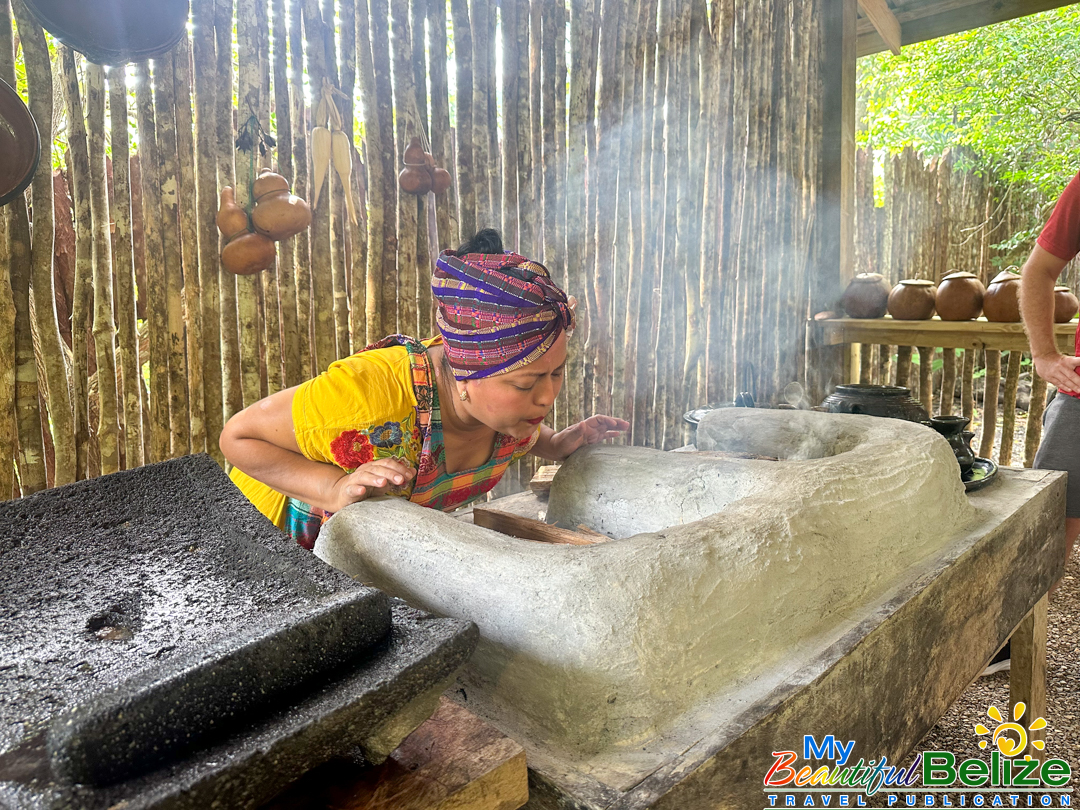
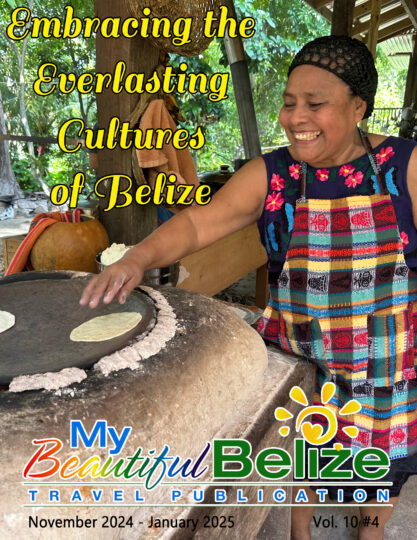
 Nestled within the rolling green hills of San Antonio Village in the Cayo District, Upe Nai Cultural Center, meaning “One Dream” in Yucatec Maya, is a family-run gem that grew from humble Sunday dinners into a full-fledged culinary and cultural experience. Founded by Leonila “Mama Nila” Mai and her daughter, Stephanie Martinez, Upe Nai invites guests to savor authentic Maya and Mestizo dishes cooked over open-fire hearths, from bubbling pots of Caldo de Gallina to citrus-marinated Poc Chuc.
 Last year, we had the pleasure of experiencing the fabulous food and warmth of this remarkable family firsthand, and the memory of those smoky, love-filled meals still lingers. What could be better than returning to learn how to cook some of their signature dishes over a fire hearth, just as their ancestors did?
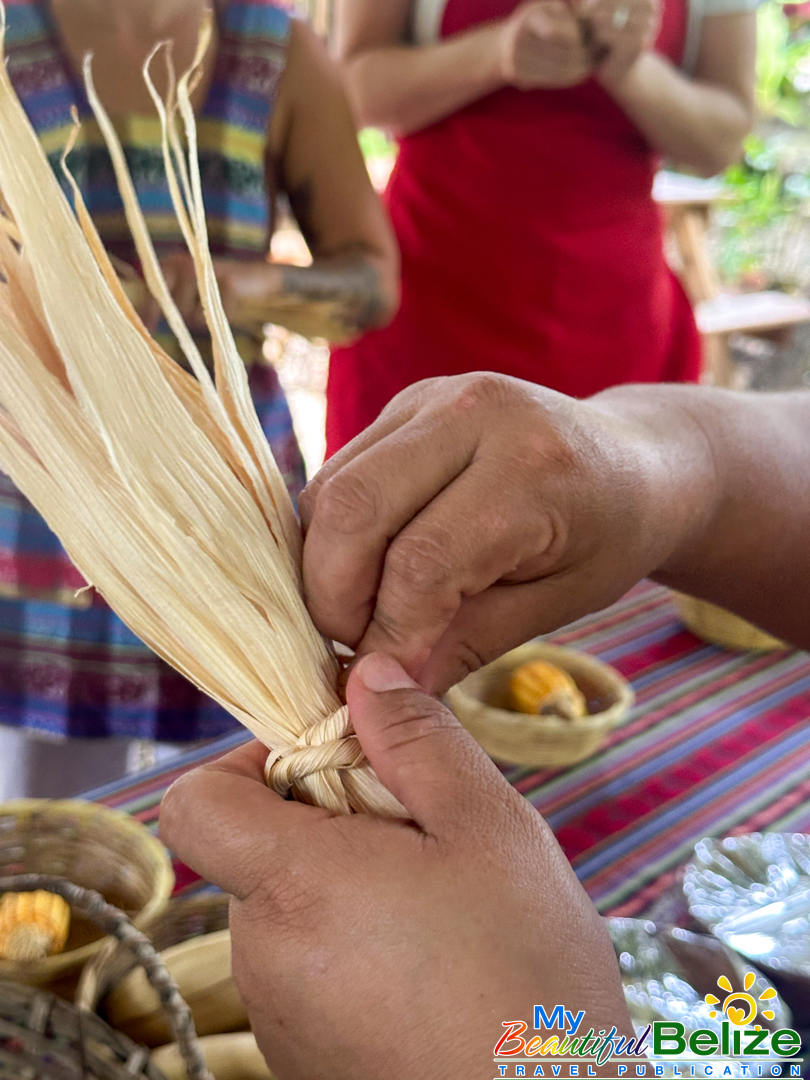
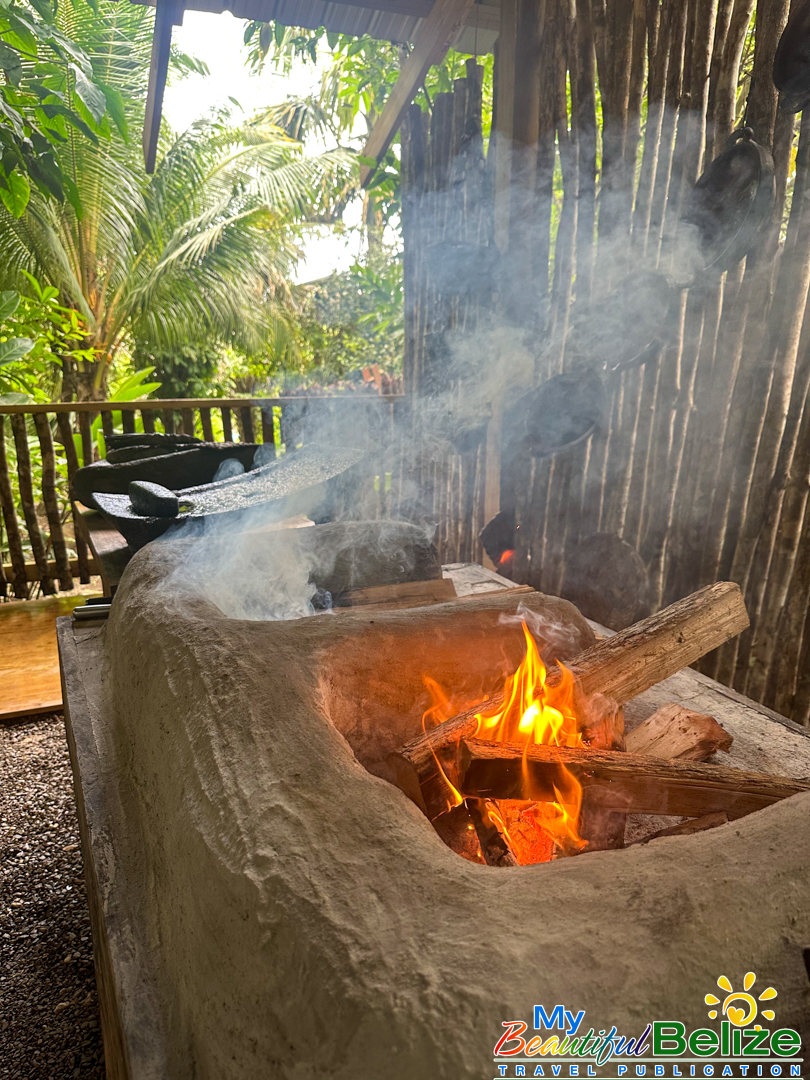
Our morning begins with a warm welcome from Stephanie, under the shade of a covered open-air kitchen surrounded by jungle, where busy chickens forage for food. Before long, you’re learning to prepare traditional Maya dishes much as they have been for centuries, using timeless techniques, tools, and fresh local ingredients. First, we fashion a hand broom from the dried leaves of a corn cob, because you “Always have to keep your tabletop clean.”
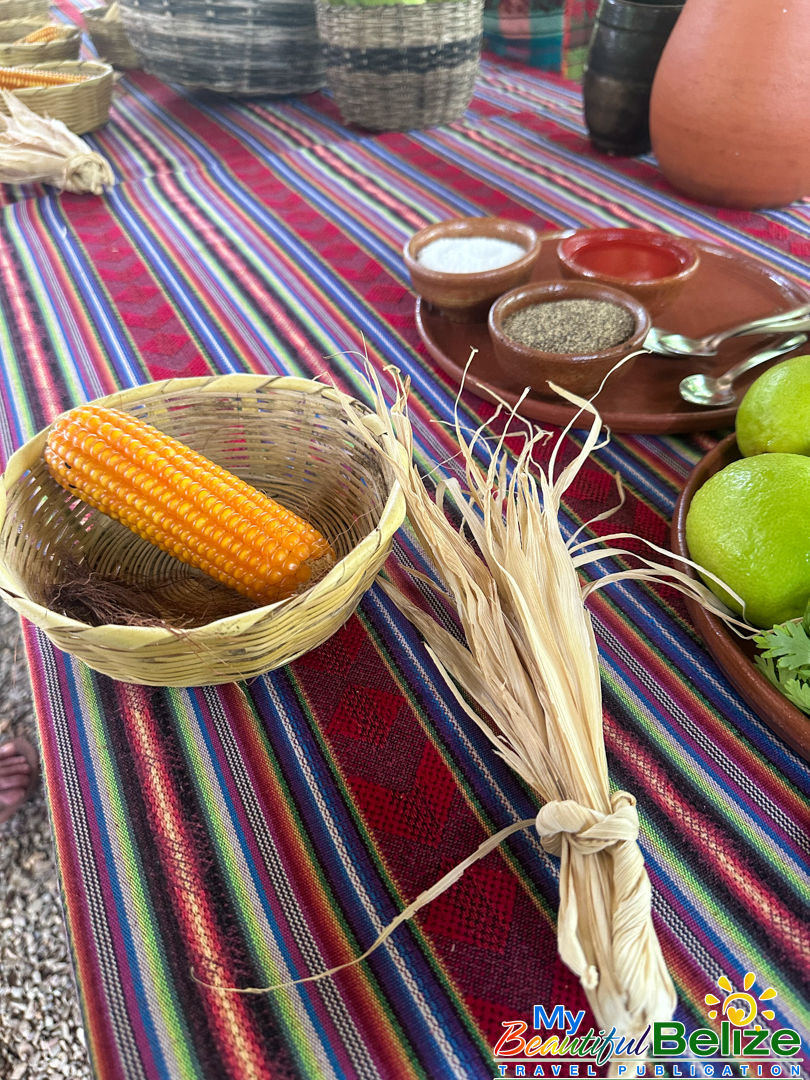
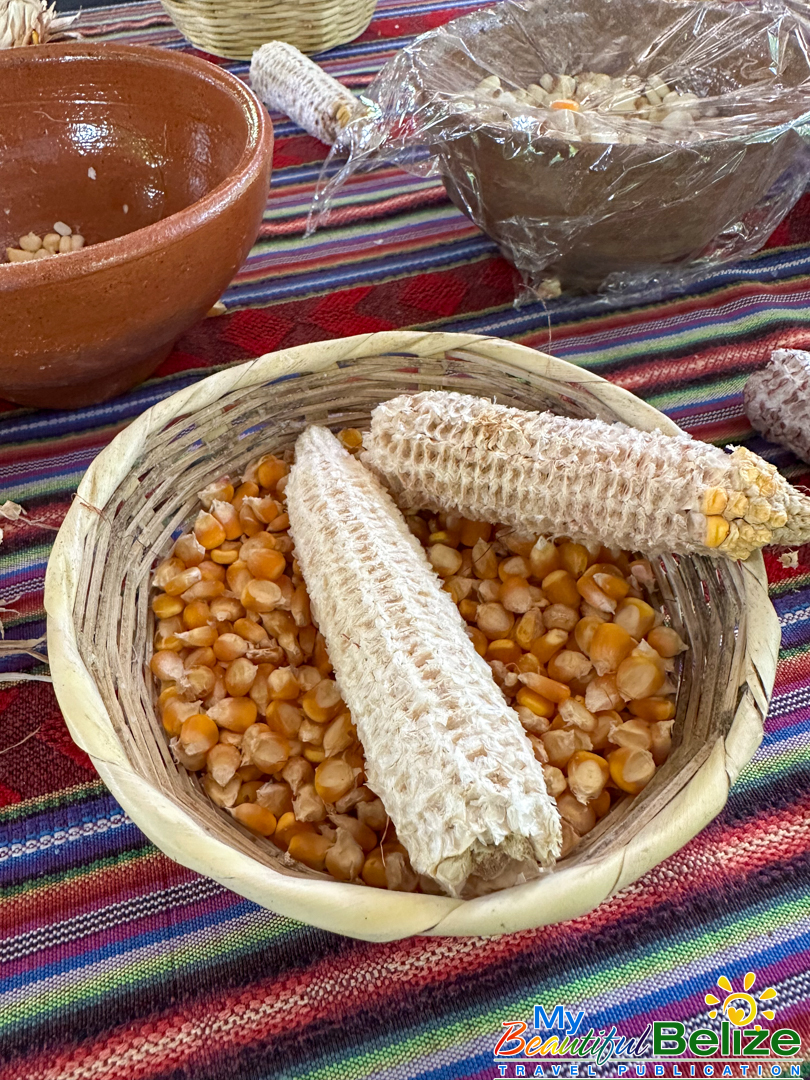
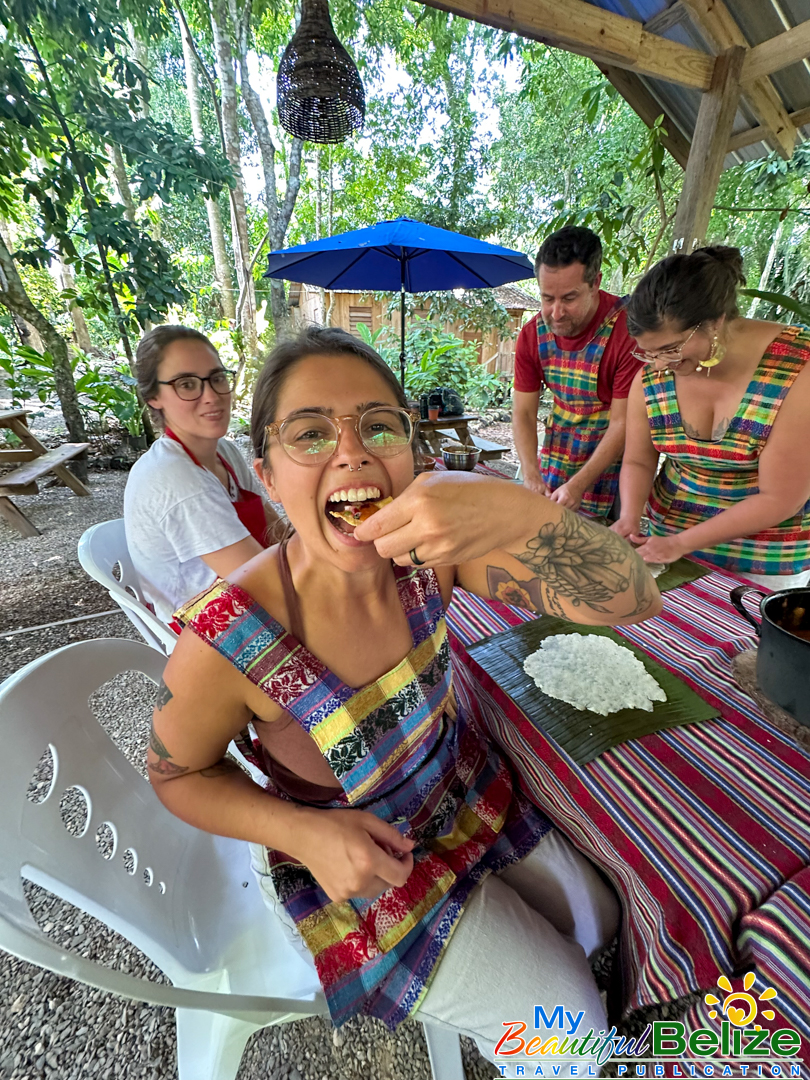
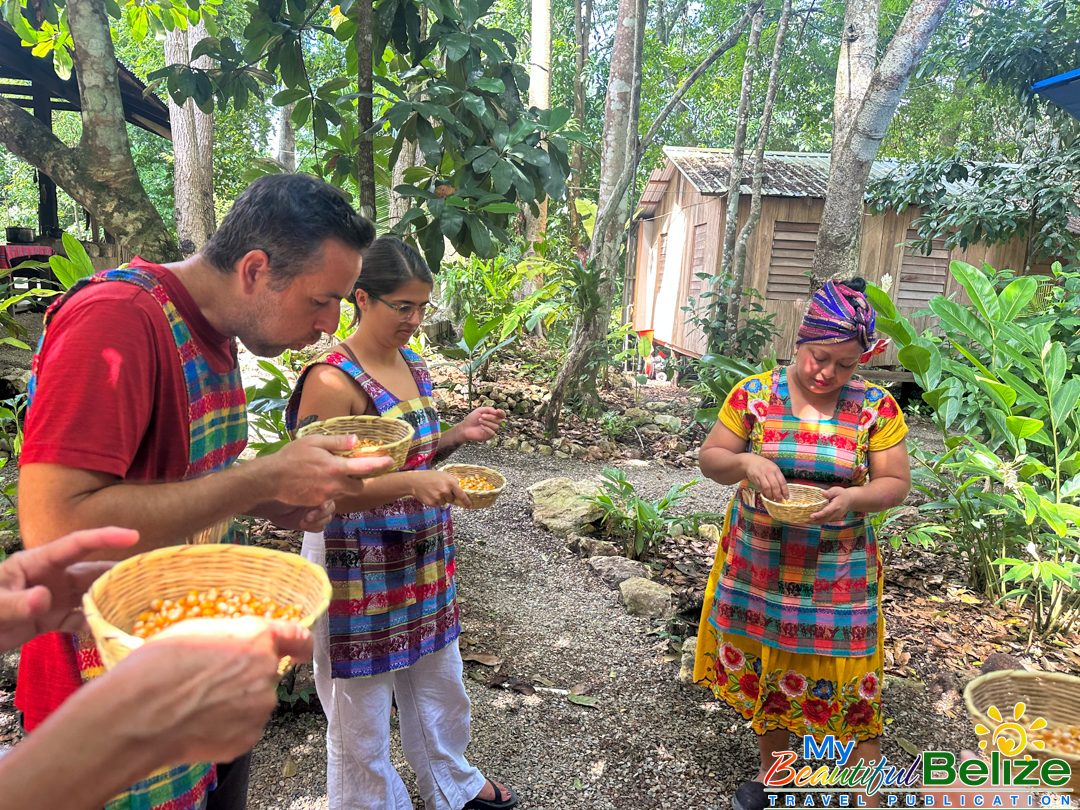 Next, we shell the hard kernels from the cob, winnow the chaff, (gently tossing the corn kernels in a basket to remove the outer seed coverings) and then grinding the corn (after it’s been boiled in food-grade lye) by hand with a stone “mano y metate” (mano is the handheld stone used for grinding, while the metate is the larger, stationary stone with a concave surface against which the mano is worked) until a soft “masa” dough forms. As we go about our prepping, Steph shares stories about Maya traditions and how food plays a central role in community life, ceremonies, and family gatherings. We even learn the lively Corn Dance, as Steph engages us in the moves while multitasking and tending to the open-hearth fire. The air fills with the scent of roasting corn and wood smoke, the hallmark fragrance of a Maya kitchen.
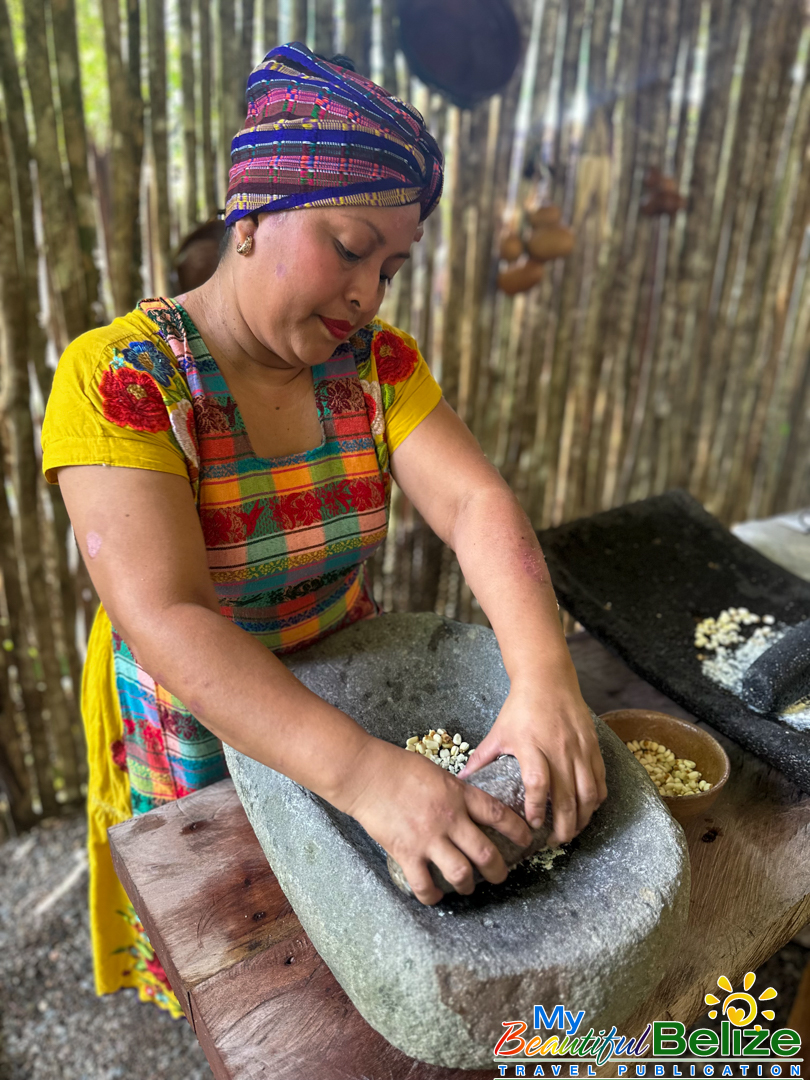
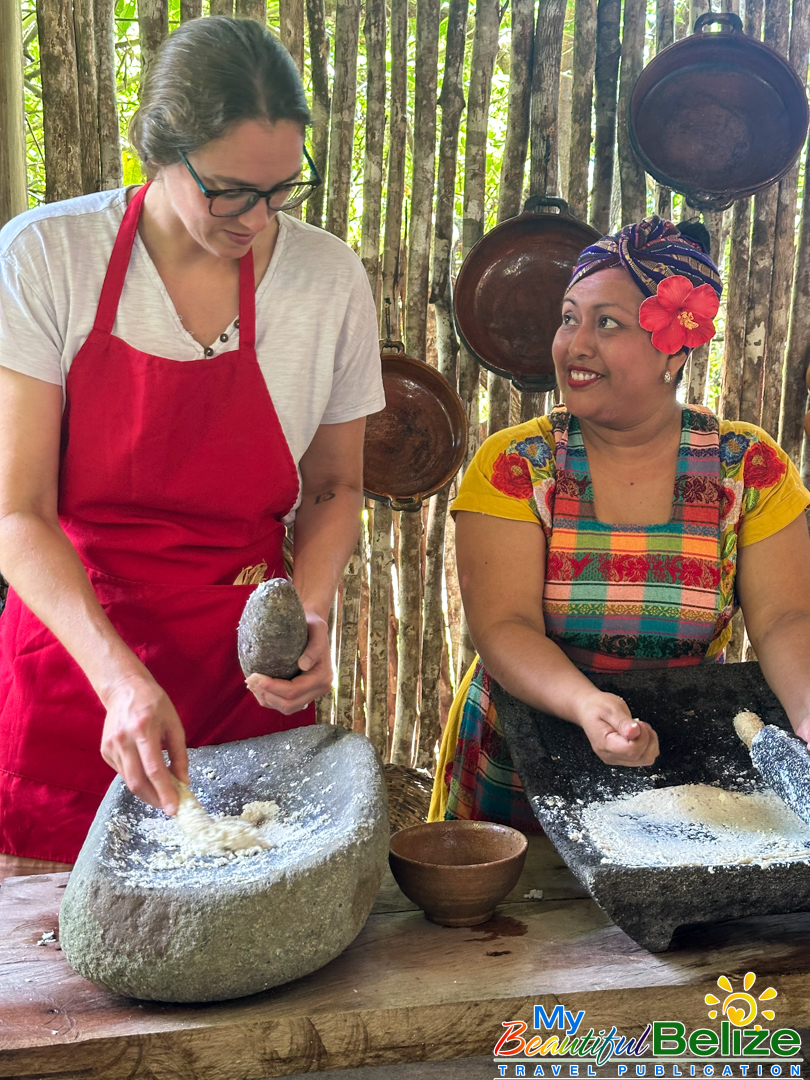
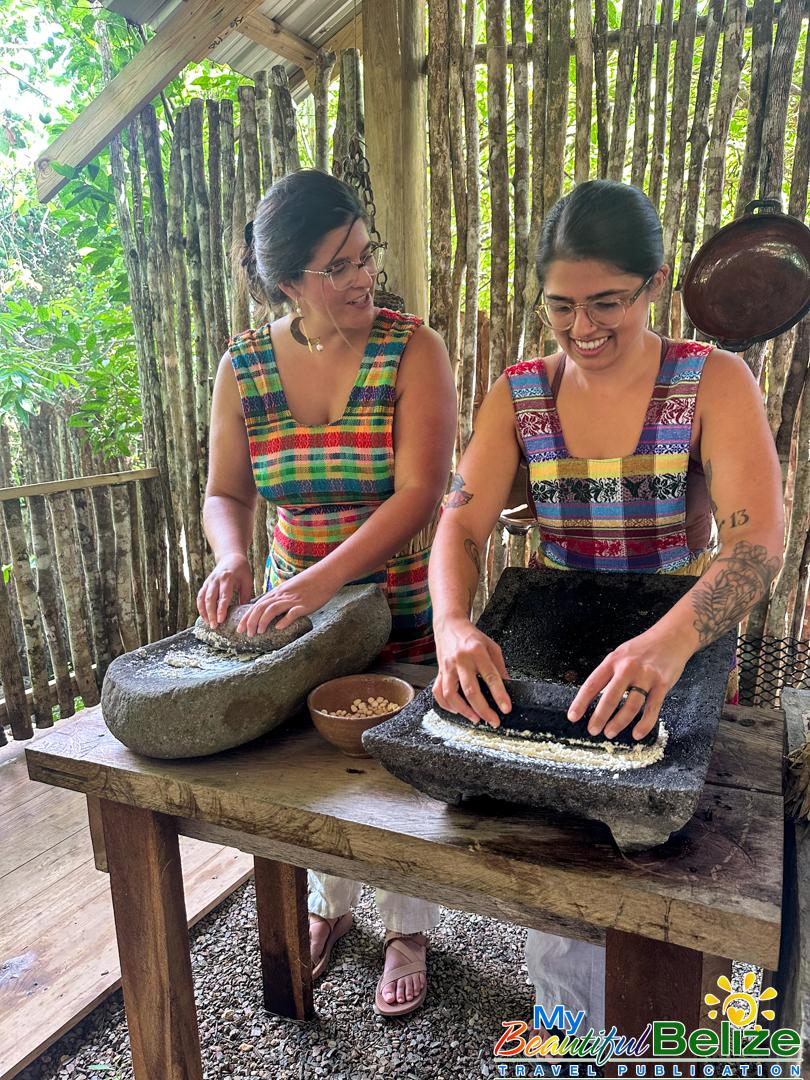
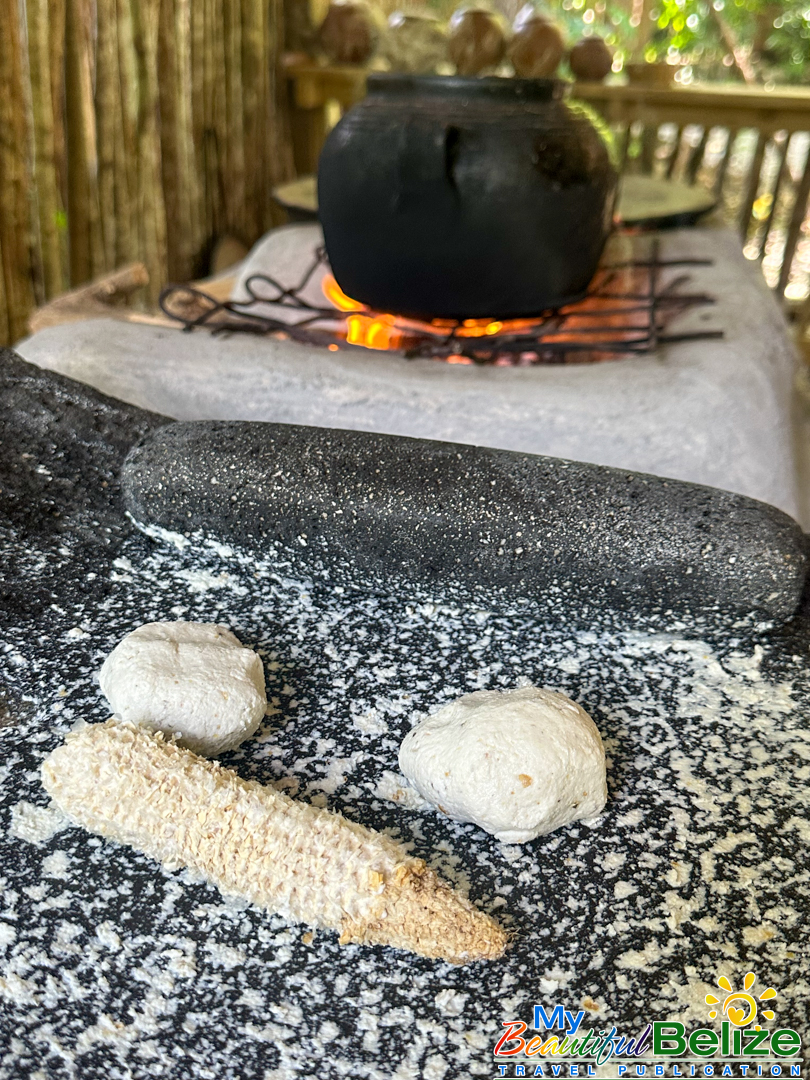
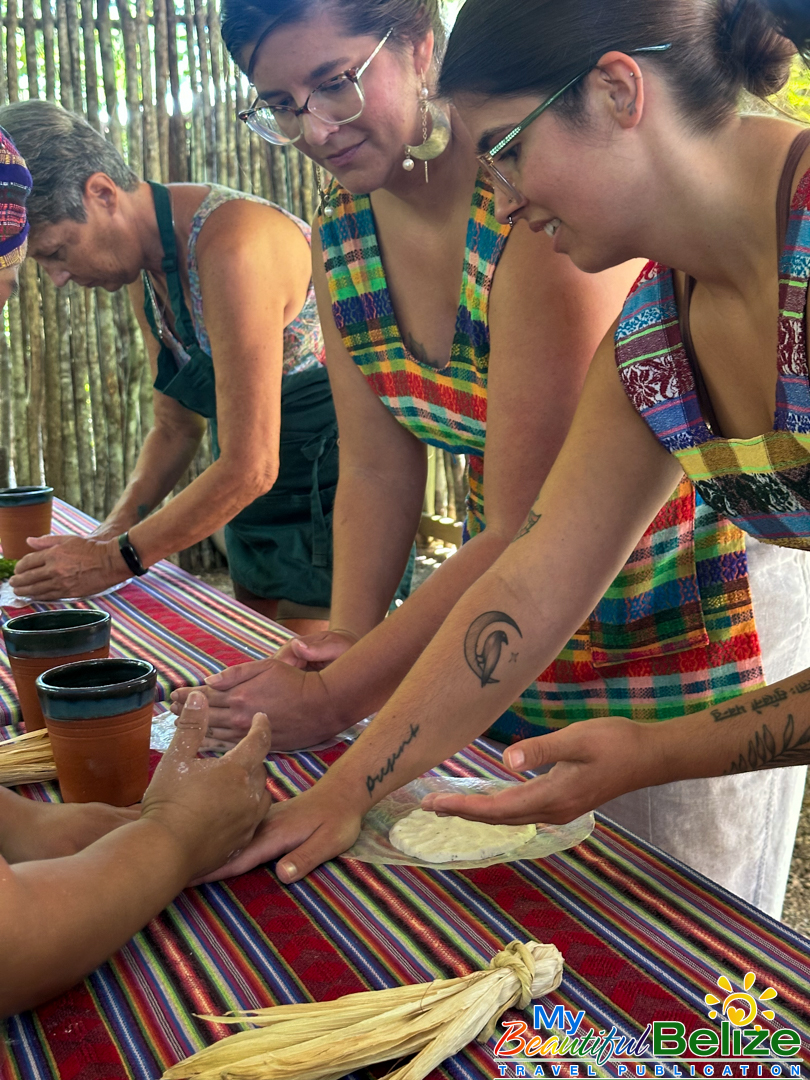
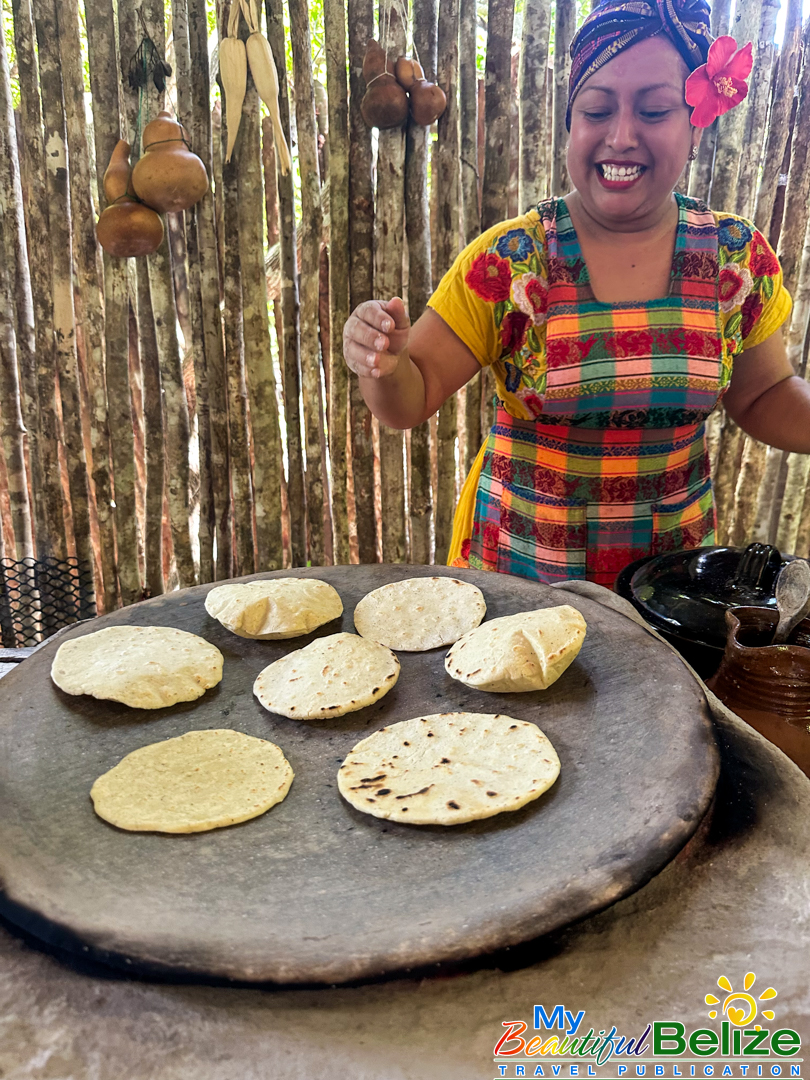
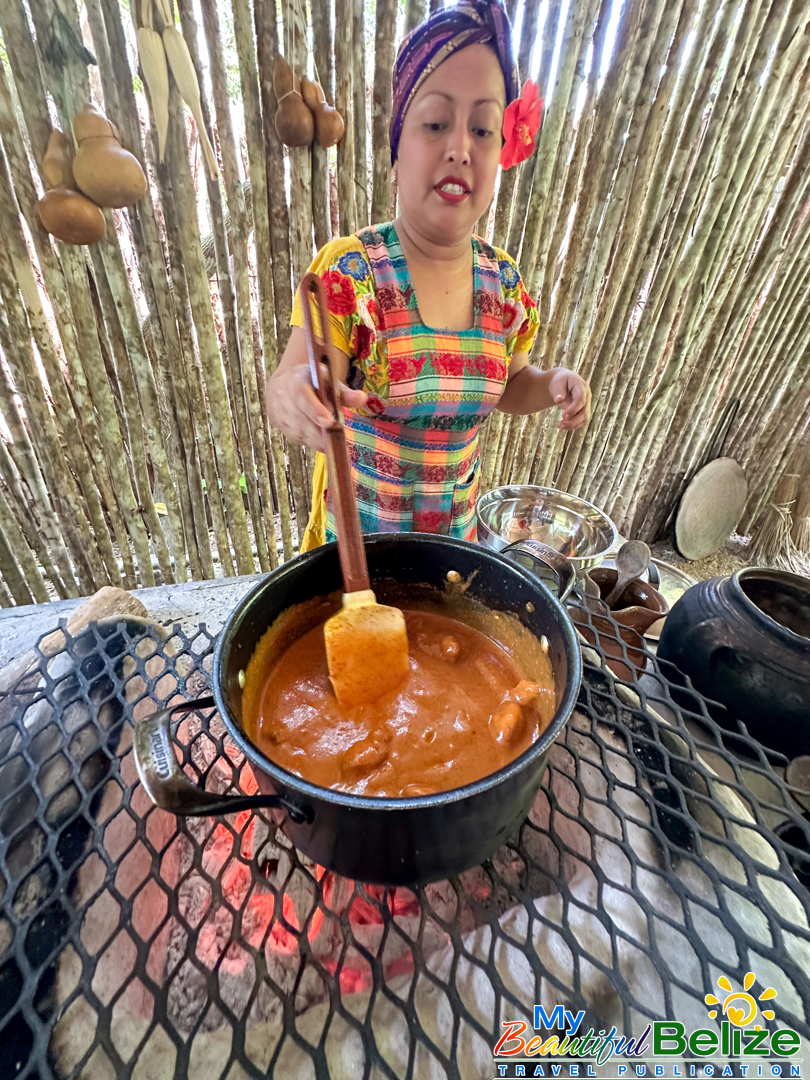
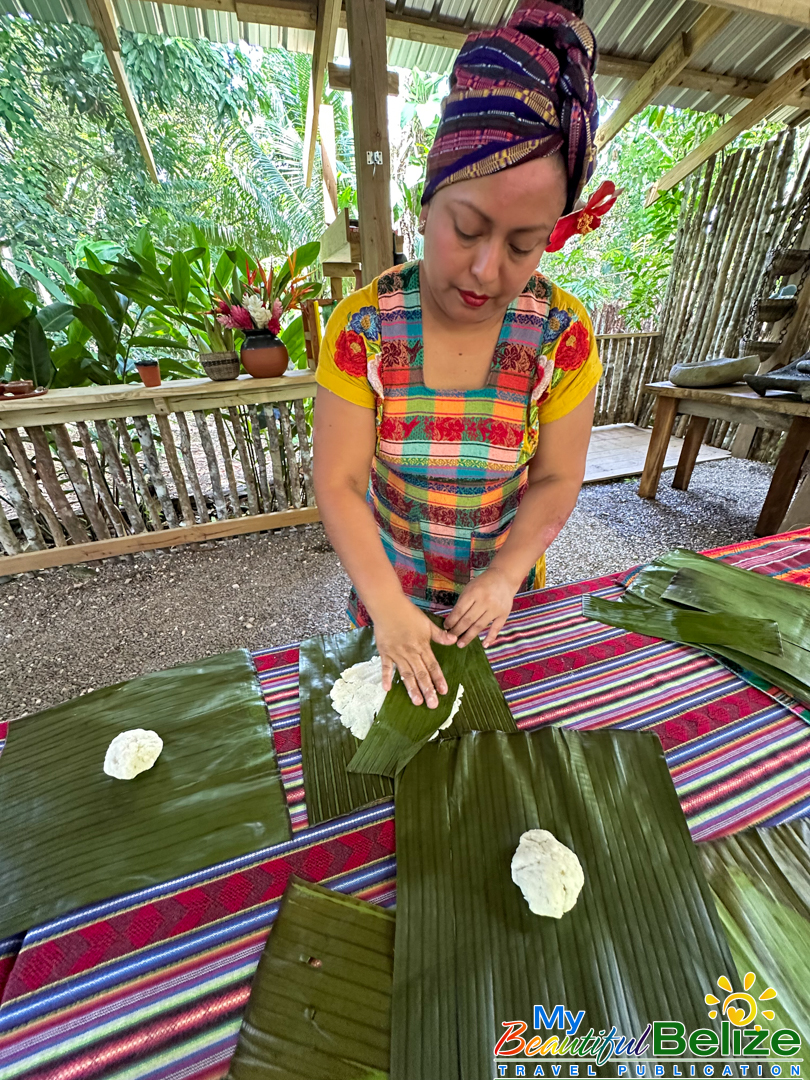
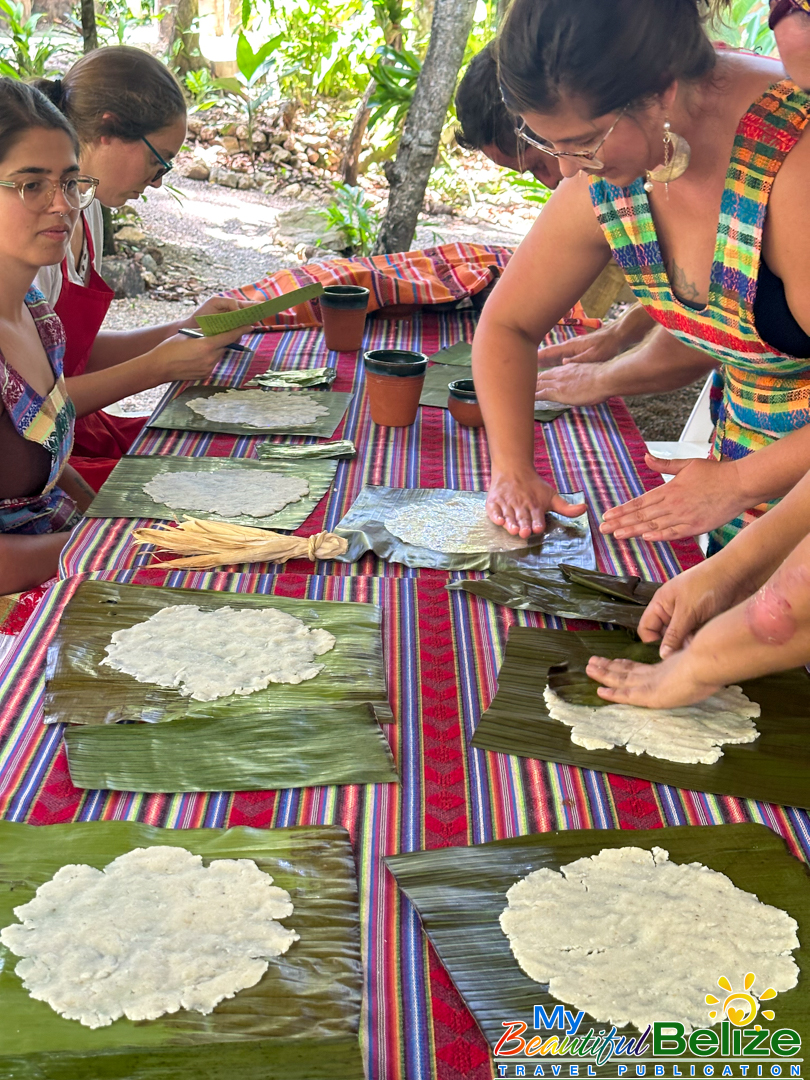
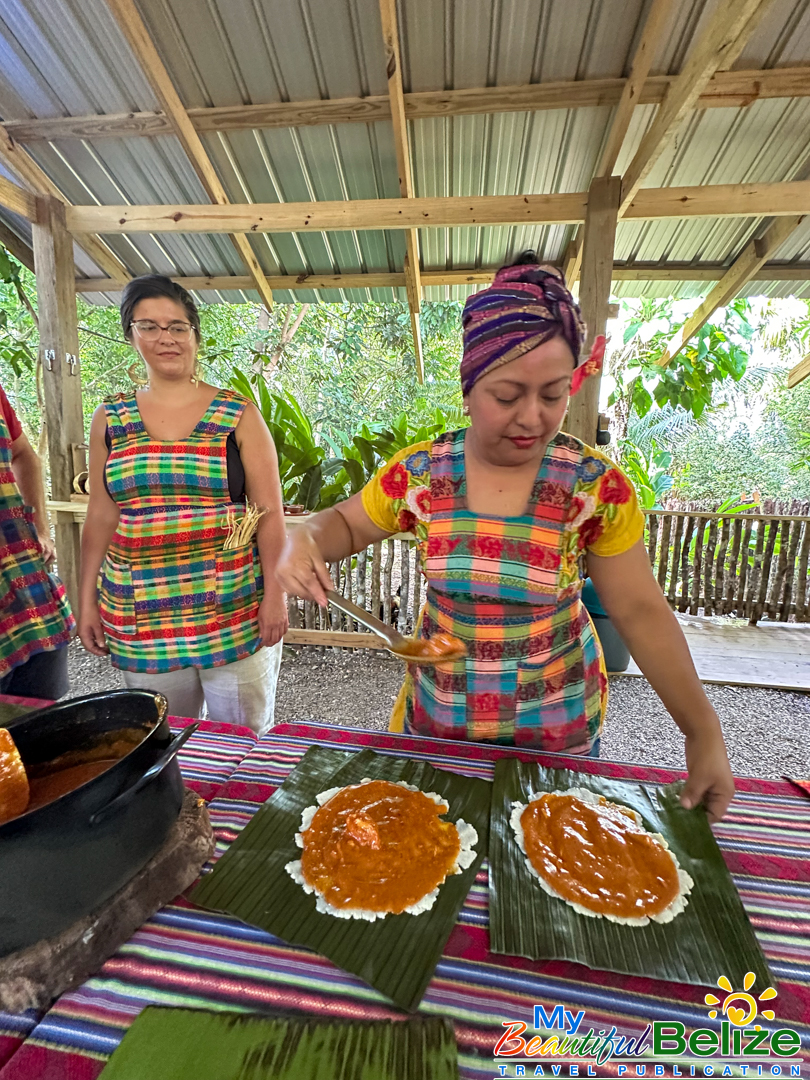
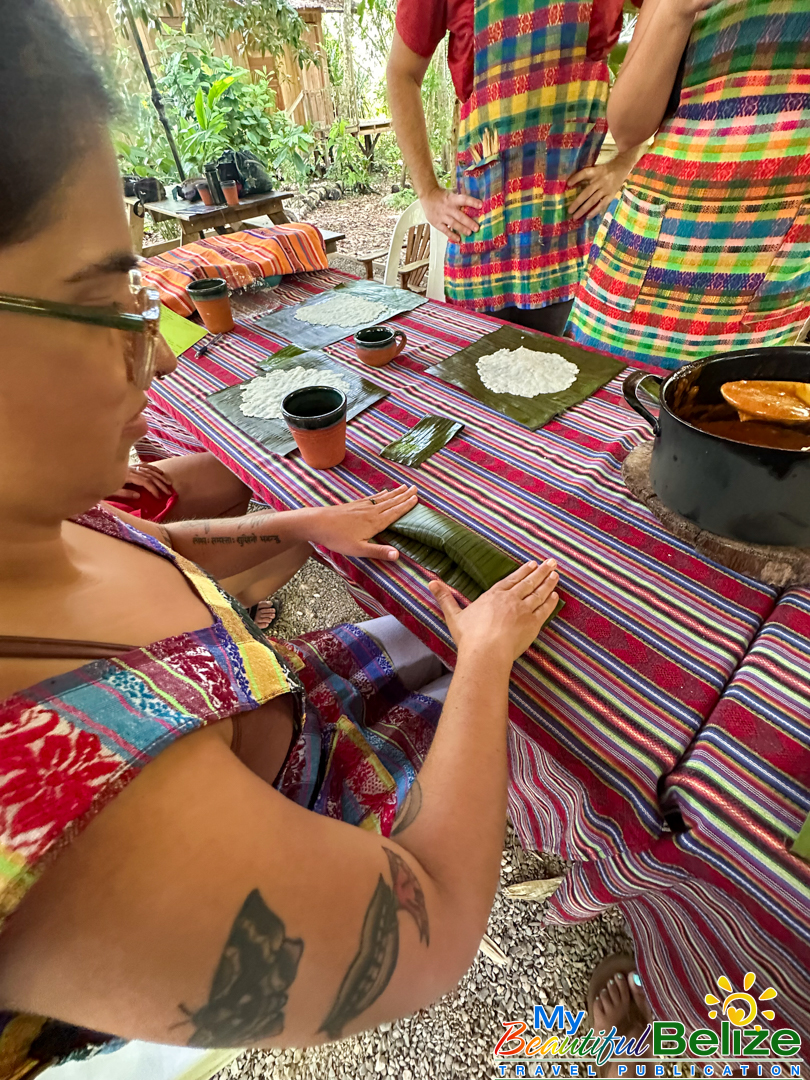
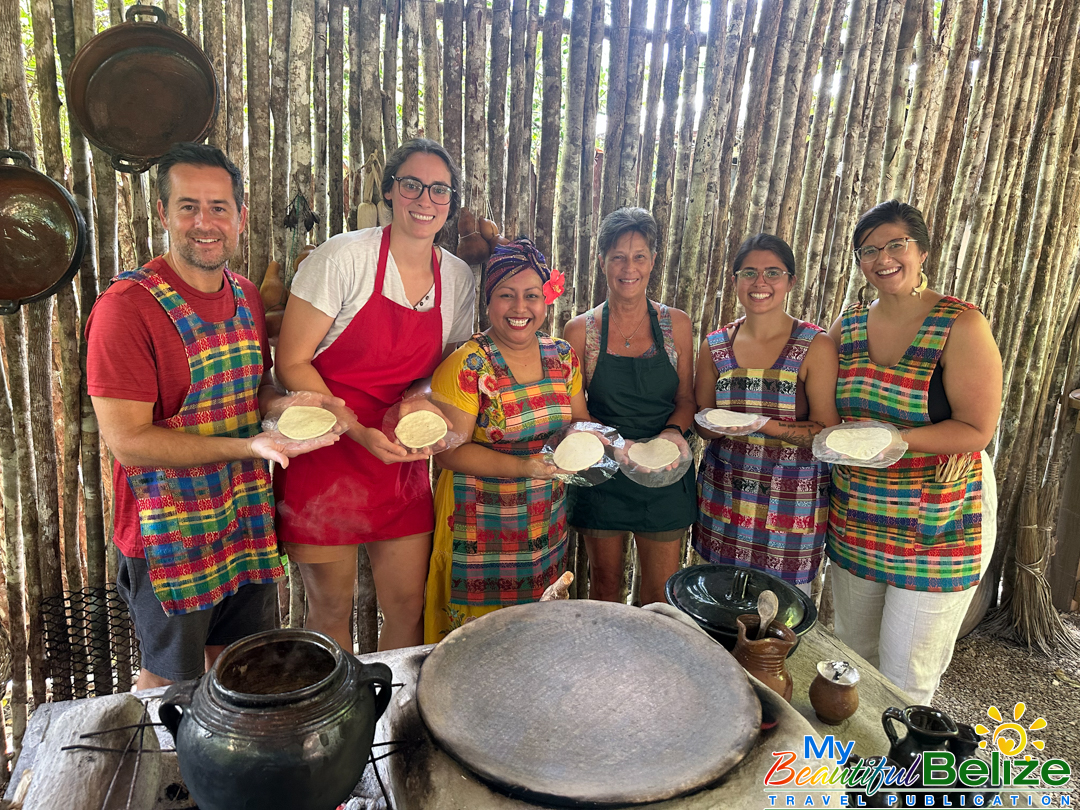 Corn masa is the soul of Maya cuisine, and from it, many dishes are made. After taking some additional steps for each dish, we form small balls from the dough, which we later press flat to form salbutes. Some of the masa is diluted with broth and cooked to the consistency of mashed potatoes, which, once cooled, is used in the tamales. Meanwhile, some masa is added to thicken the broth of the delicious chicken stew we prepare, creating the creamy “k’óol” that’s part of the tamale filling.
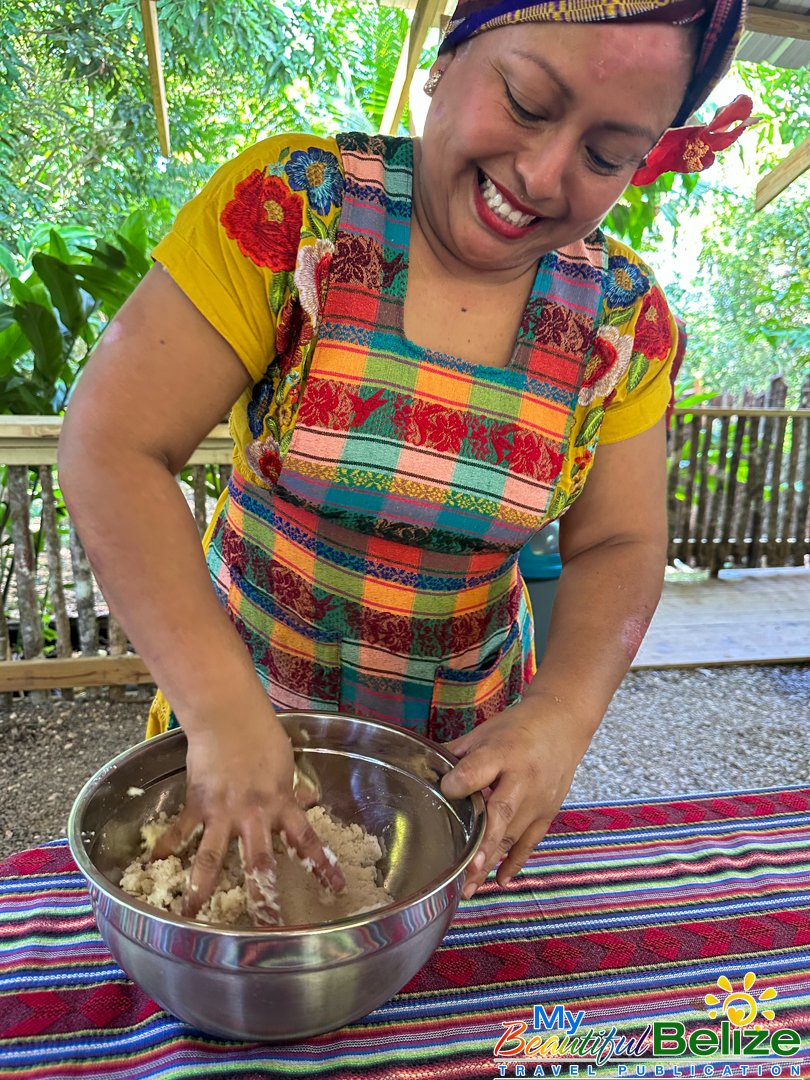
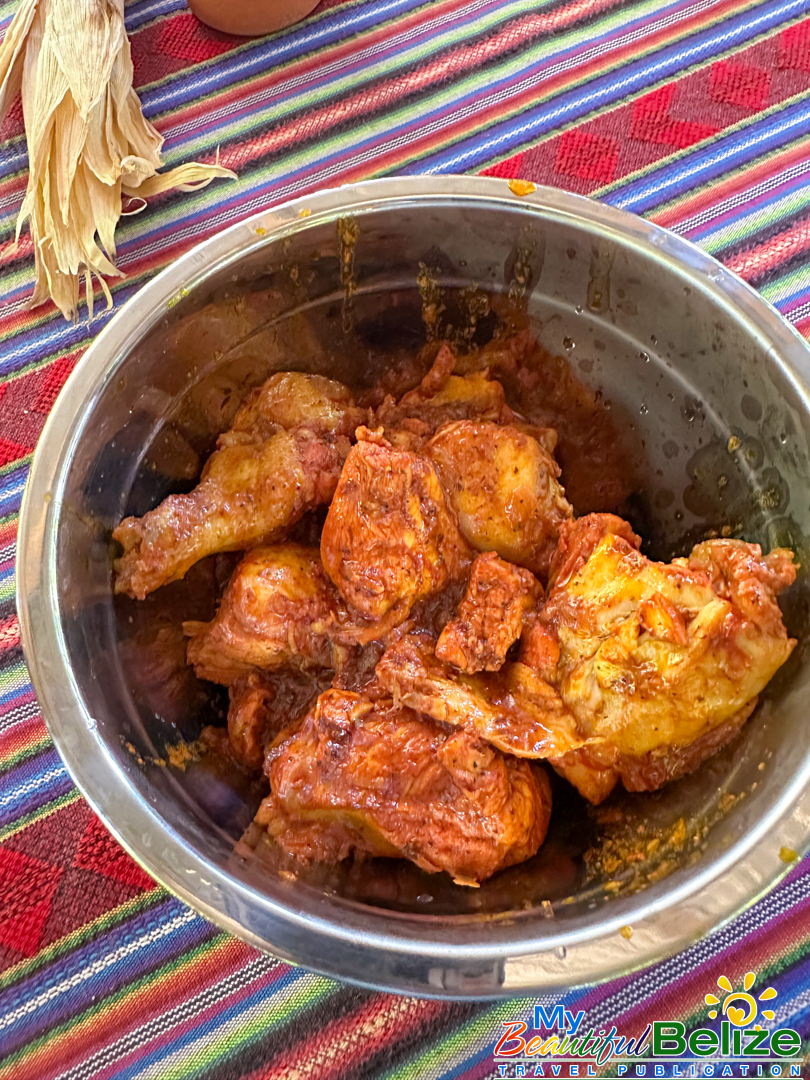
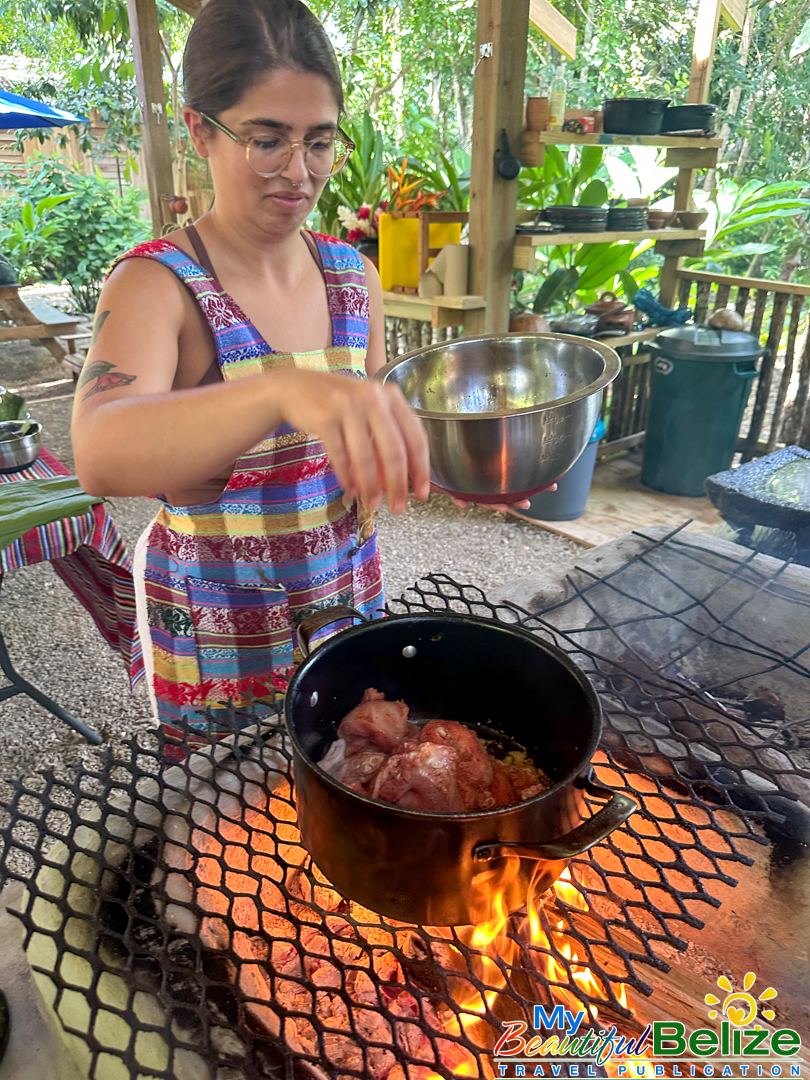
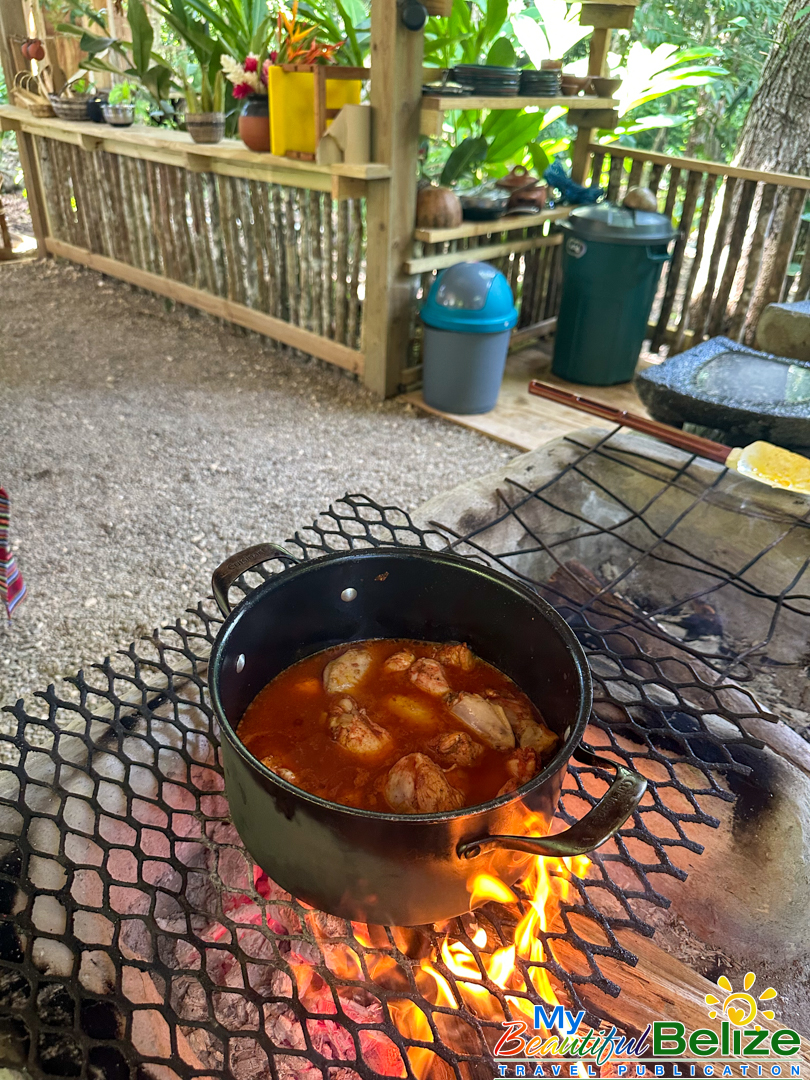
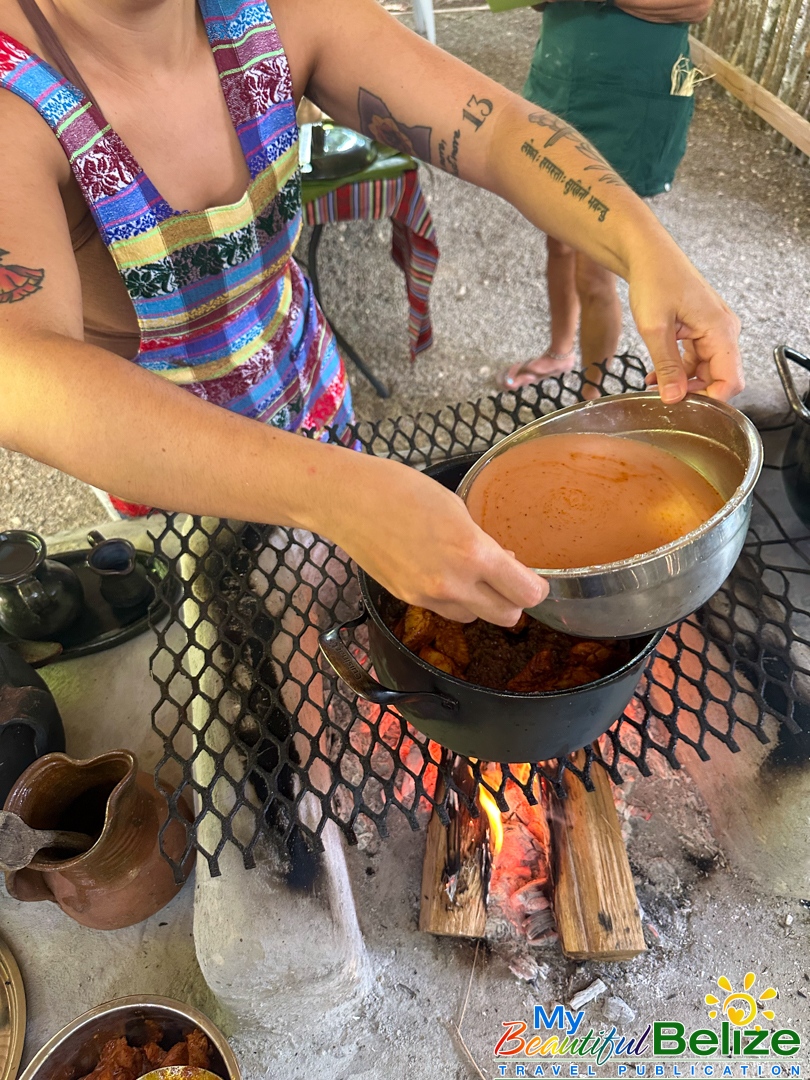
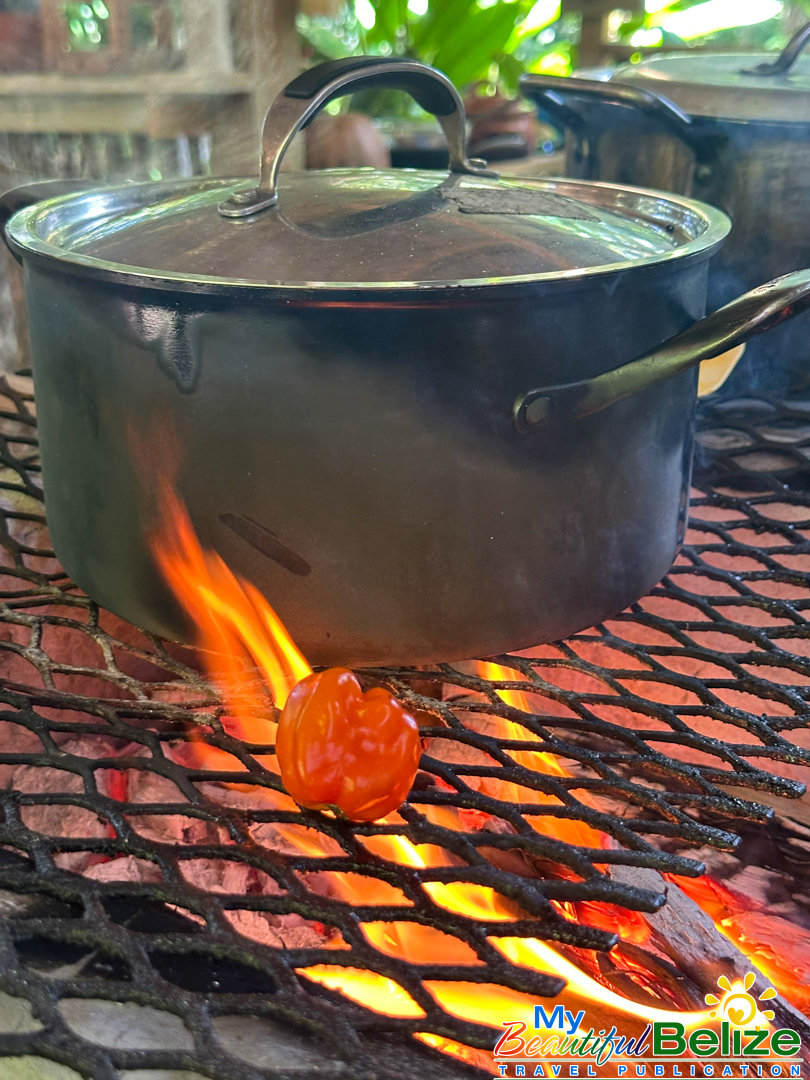
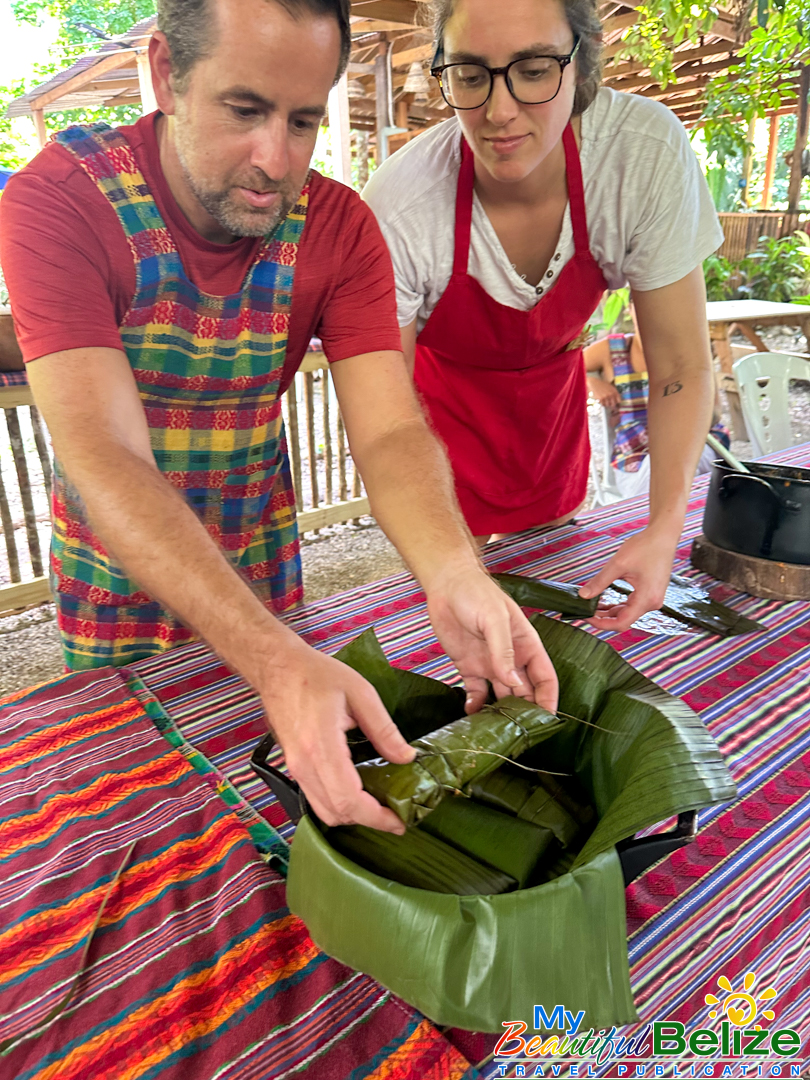
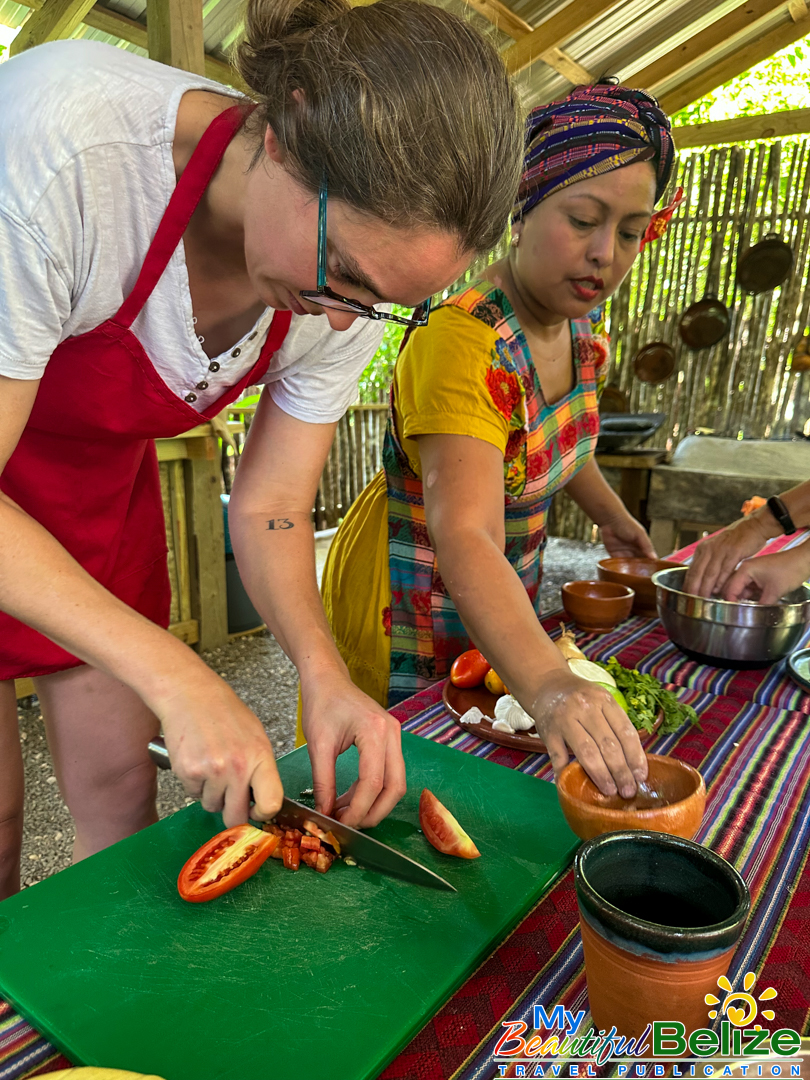
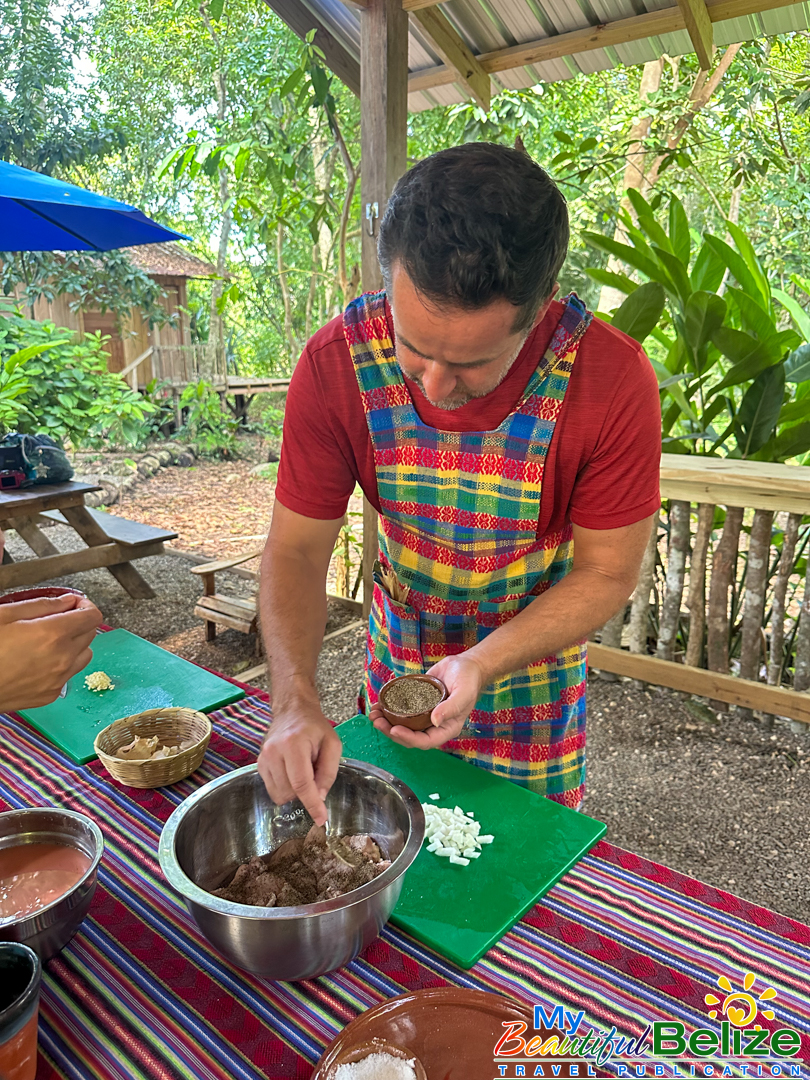
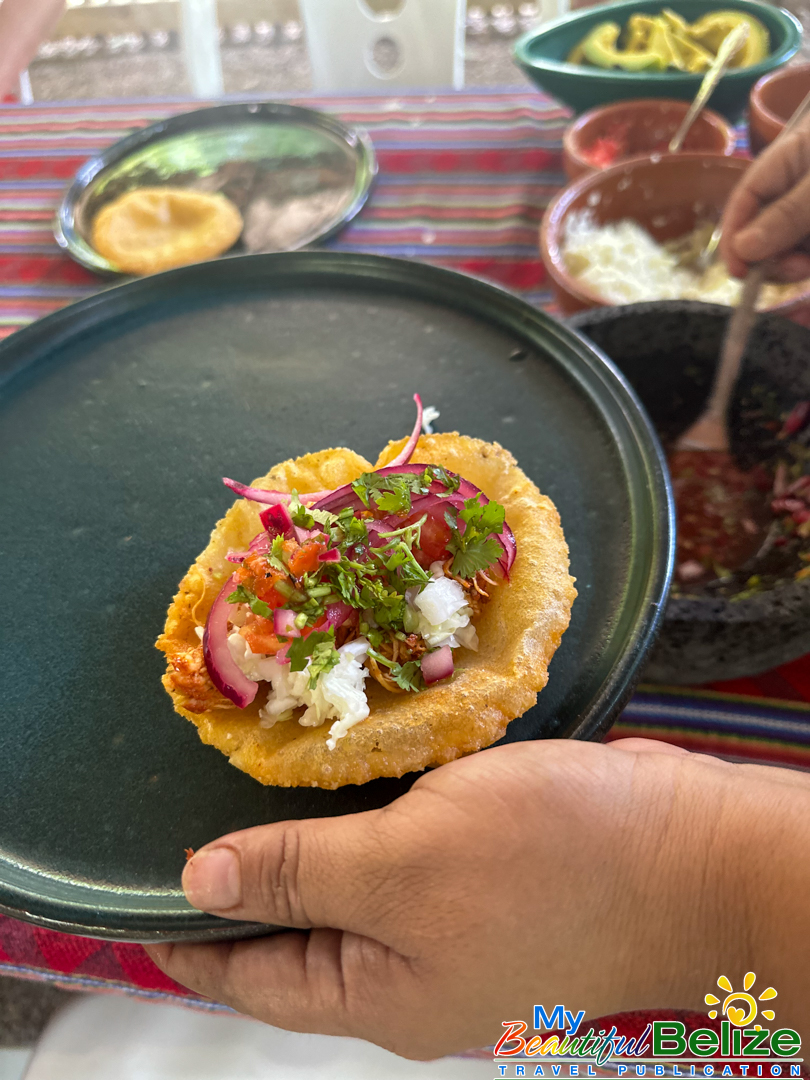
Beyond the laughter and storytelling that fill the open-air kitchen, there’s a deeper purpose. Stephanie’s classes preserve ancient knowledge that was once passed only from mother to daughter, ensuring it continues to nourish both Maya families and curious travelers. After a few hours of shelling, grinding, kneading, chopping, pressing, wrapping, seasoning, and a little dancing, we are the proud chefs of tamales wrapped in banana leaves, filled with stewed chicken in a creamy k’óol, and puffy, crisp salbutes toasted on a hot comal over the open fire (a flat, round griddle made of cast-iron or pottery), mounded with shredded stew chicken and a variety of toppings and spicy, fire-roasted habanero salsa we’ve prepared.
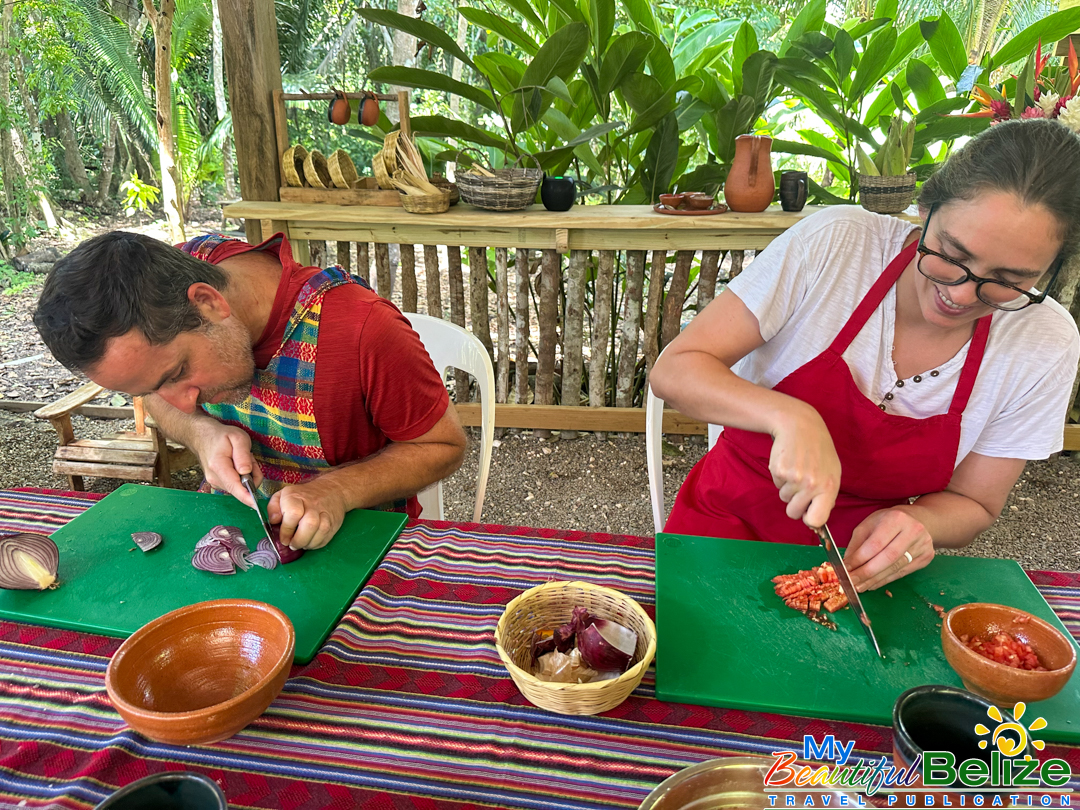
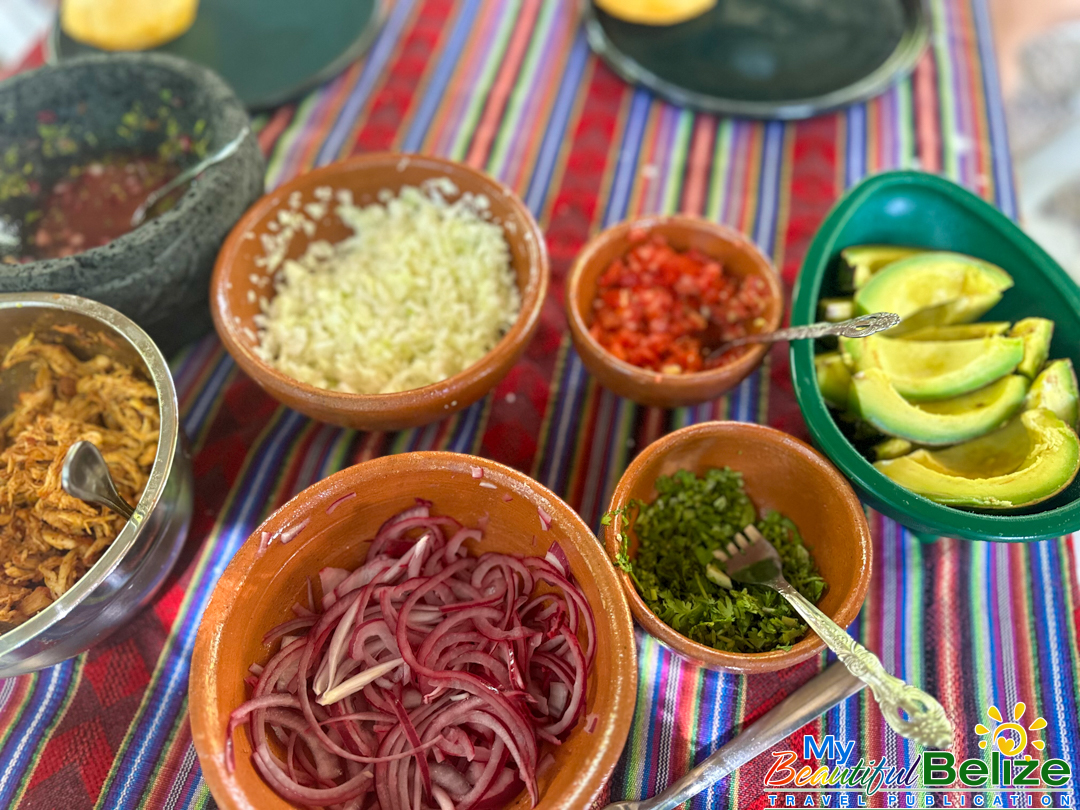
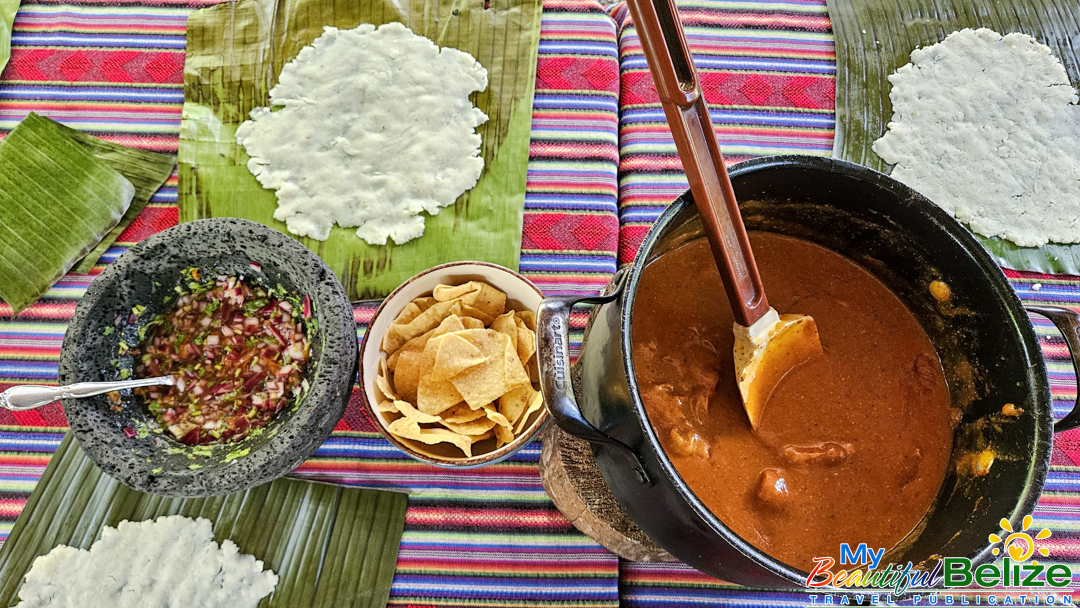
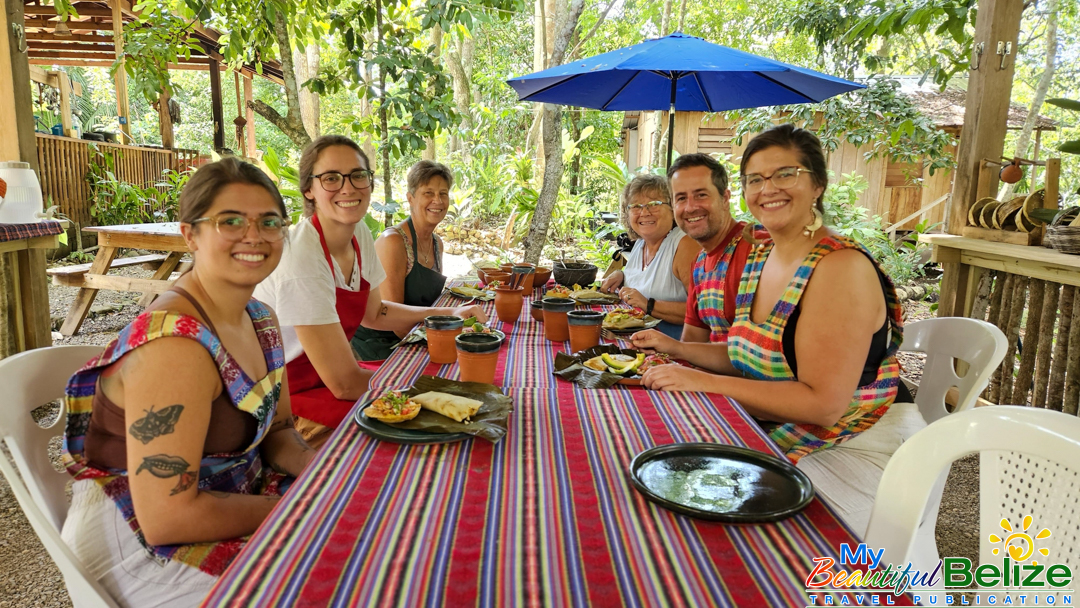
We sit together as new friends, enjoying our well-earned meal. There’s laughter, conversation, and a quiet sense of gratitude that settles over the table. It’s a meal shared not in a restaurant, but in a home, and it feels profoundly special.
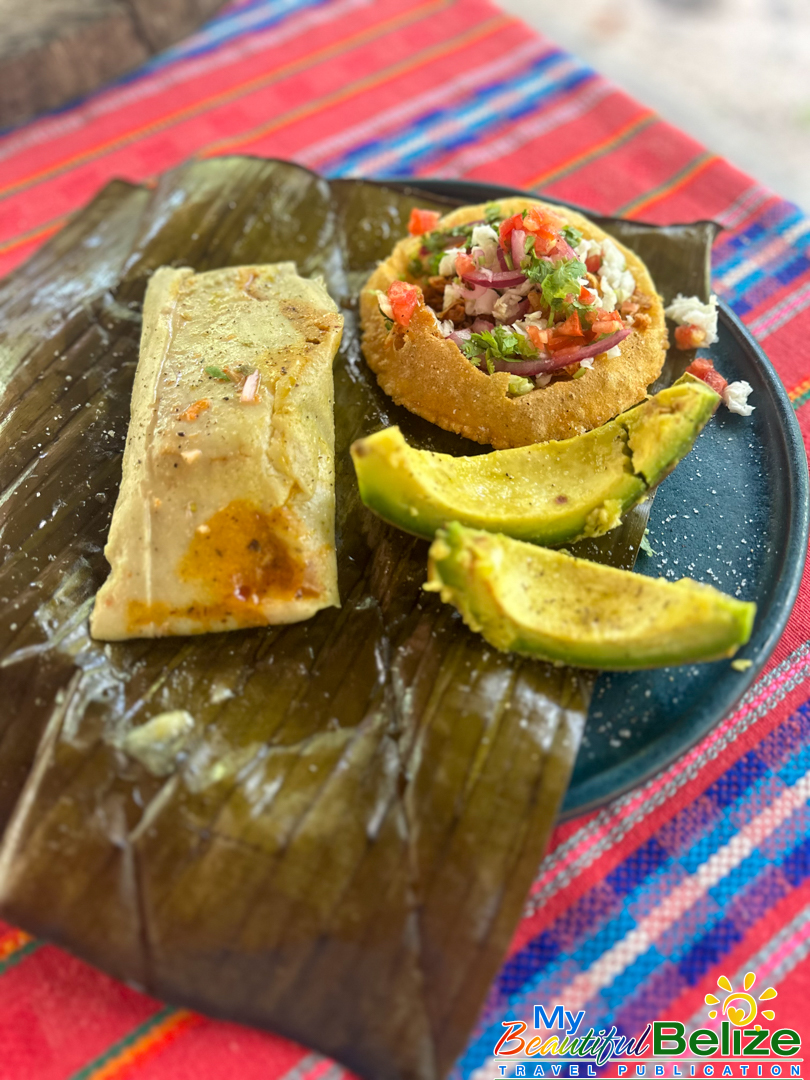
 This hands-on cooking class includes lunch and beverages. It usually begins at 9AM and lasts three to four hours. They are happy to accommodate food allergies, dietary restrictions, and vegetarian preferences. Children and families are welcome, too, making it an ideal hands-on experience for curious young travelers.
Classes are offered Monday through Friday by reservation. Please call/WhatsApp +501 6387046 or email: [email protected] to make arrangements. You can also visit their Facebook page @UpeNai.