 Long before the historic battle of 1798, the tiny island we know as St. George’s Caye had another name and a fascinating place in Belize’s early history.
Every September 10th, Belizeans commemorate the Battle of St. George’s Caye, a defining moment in our country’s history. But have you ever wondered how the island itself got its name? The answer takes us back more than two centuries, when Spanish and British maps recorded different names for the same small island.
 Before it became St. George’s Caye, Spanish cartographers referred to it as Cayo Casina, Cosina, and other variations. Today, the name is often written as Cayo Cocina and translated as “Kitchen Caye.” While this translation is familiar, the original meaning remains uncertain because the earliest recorded spellings differ.
The island was already an important settlement long before the famous battle. Its strategic location off the coast of present-day Belize City made it a convenient base for the British Baymen, who were engaged in the logwood trade. The caye became a center of commerce, settlement and early government.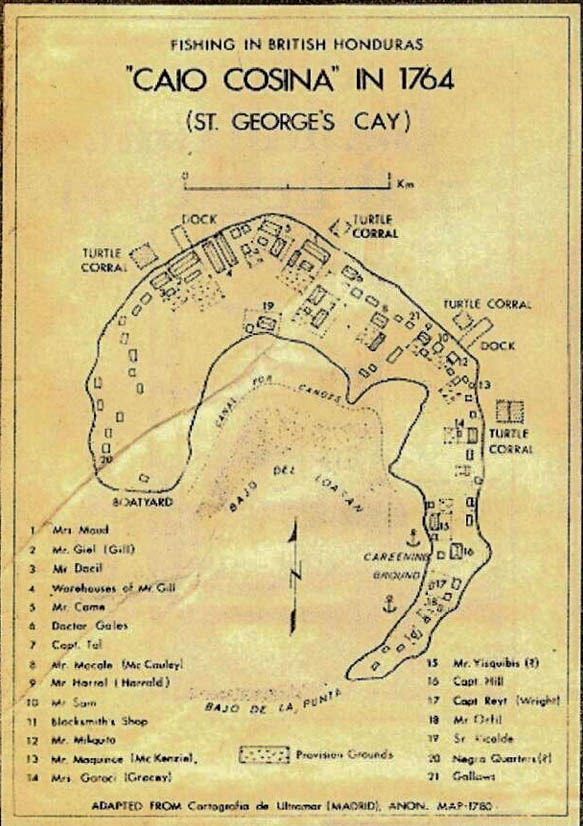
Historic maps offer clues to its changing identity. A Spanish map from 1753 identifies it as C. Cosina, while a detailed 1764 map calls it Caio Cosina. The latter depicts residences, docks, turtle corrals and other structures, revealing a well-established settlement.
The English name emerged during the mid-1760s. Historian Mavis C. Campbell’s research identifies records from April 1765 that still use Key Casina, while records from May 1766 refer to Saint George’s Key. This places the name change sometime between April 10, 1765 and May 15, 1766, although the precise date is unknown. The name is believed to honor St. George, the patron saint of England.
The timing coincided with an important period in the settlement’s development. In April 1765, the Baymen adopted a set of laws and regulations known as Burnaby’s Code, named for Rear Admiral Sir William Burnaby. Often described as Belize’s first constitution, the code helped formalize the settlement’s governance.
By 1775, Thomas Jefferys’ Bay of Honduras map recorded both the older Spanish-derived name and St. George’s Island. The names continued to coexist on maps for decades, suggesting a gradual transition.
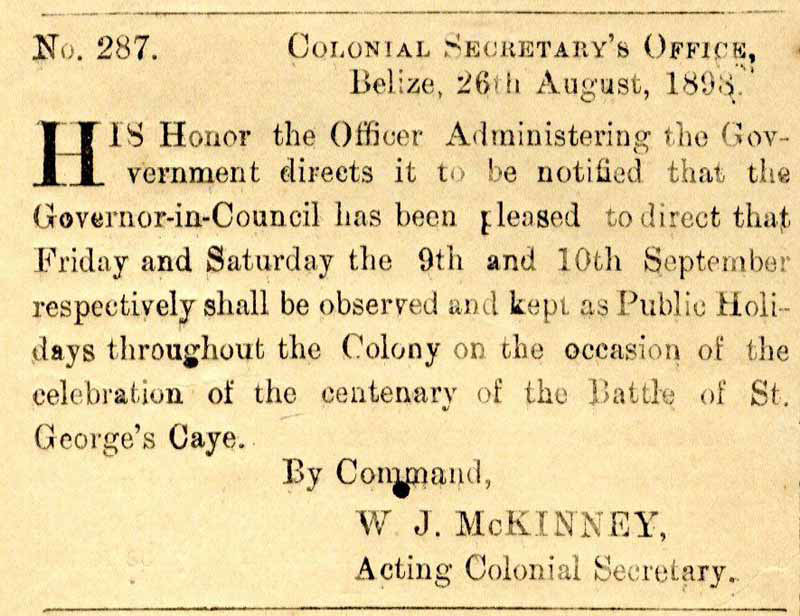
The island later became the setting for the historic battle of September 1798, when British settlers, enslaved Africans and British military forces defended the settlement against a Spanish expedition. The engagement on September 10th became known as the Battle of St. George’s Caye. The battle was named after the island, not the island after the battle.
There is another interesting connection to this history. The detailed 1764 map of Caio Cosina is the historic image featured on the reverse of Belize’s traditional five-dollar banknote, offering a glimpse of the settlement before its famous battle.
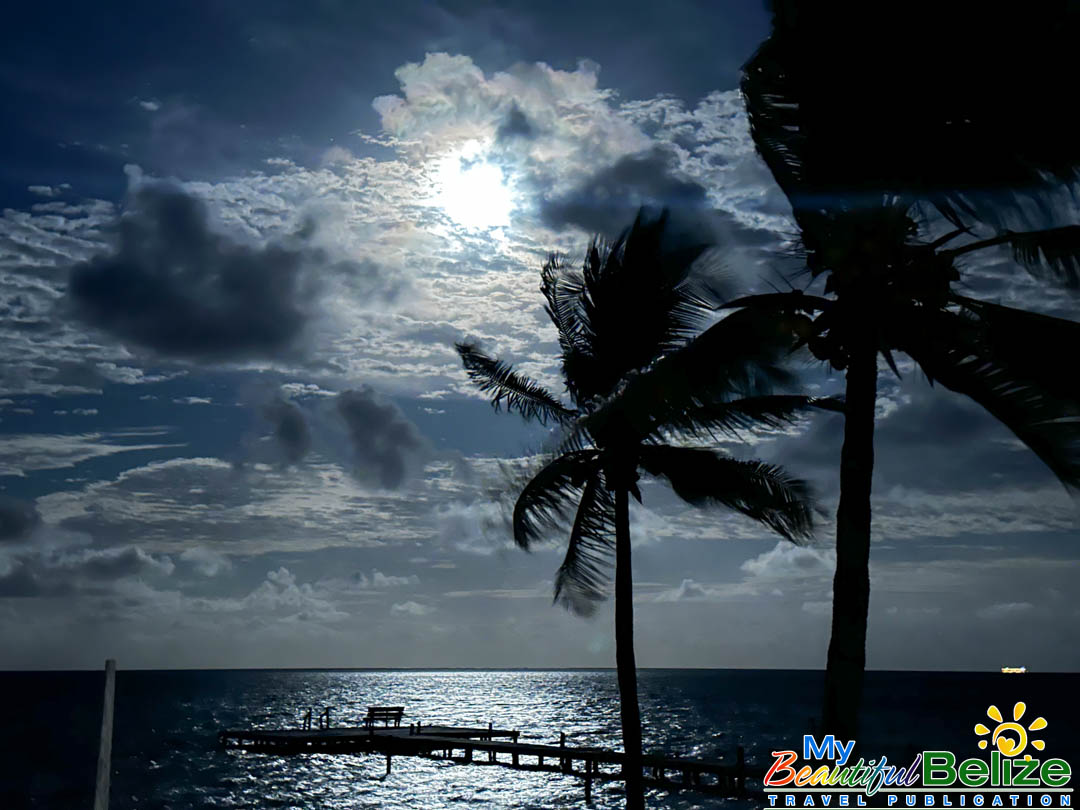
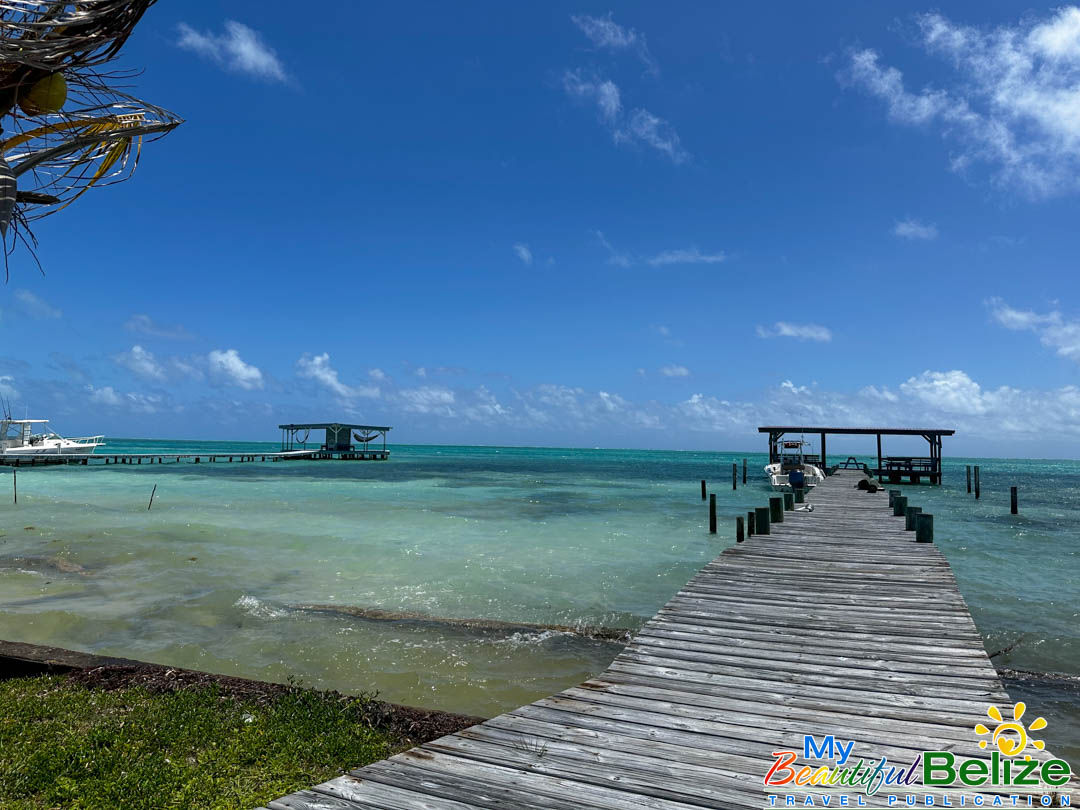
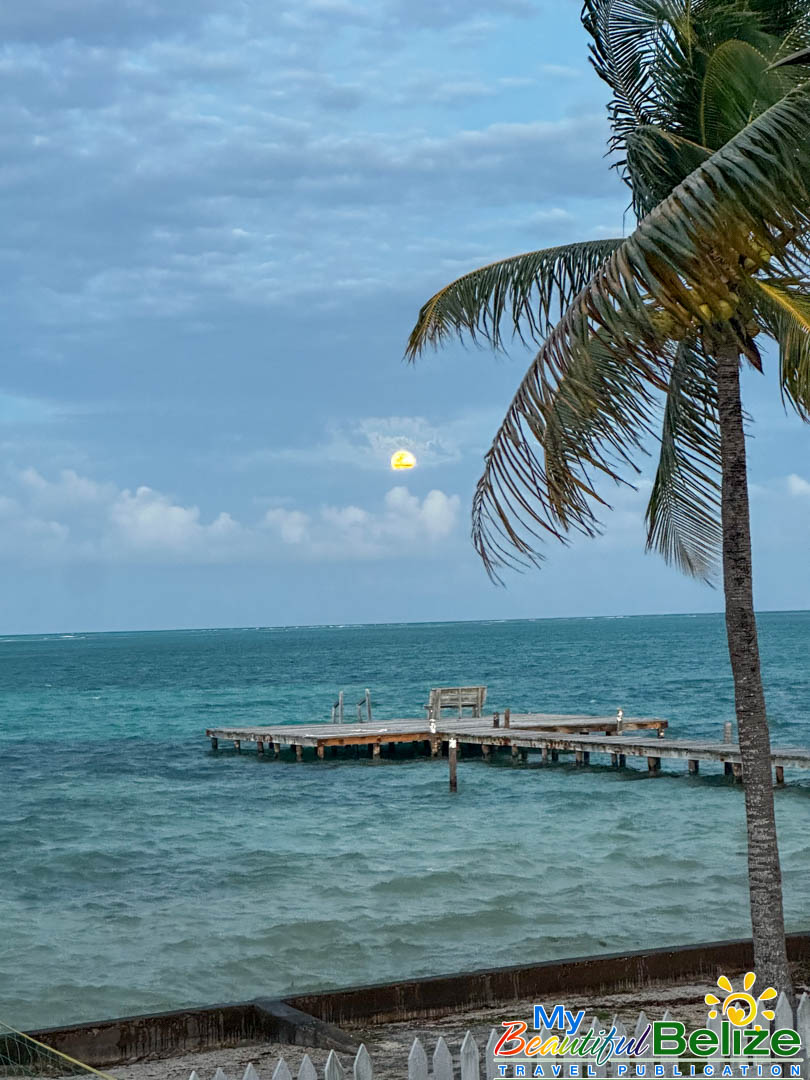
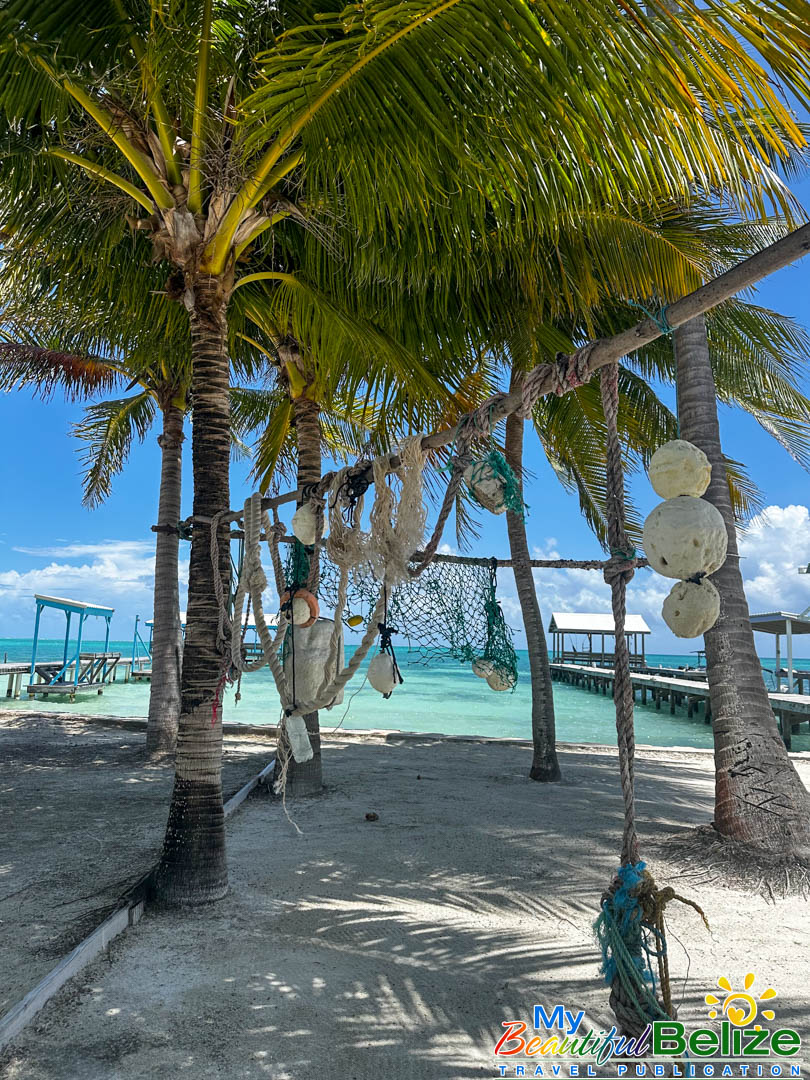
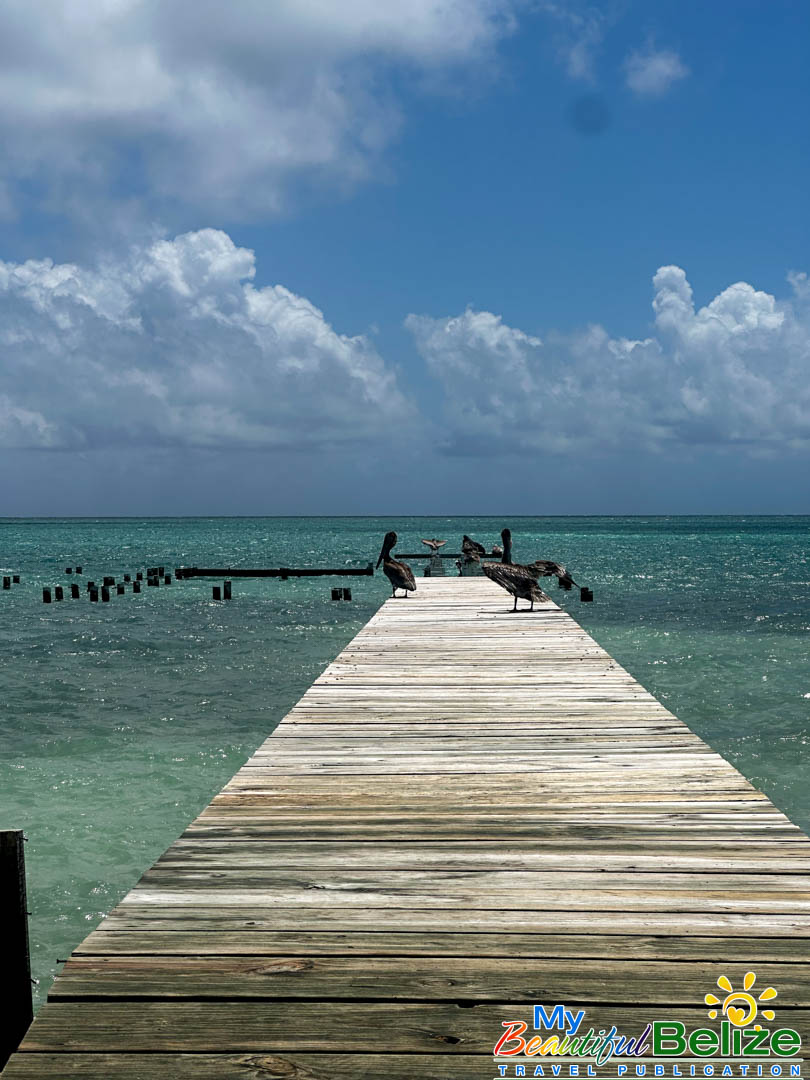
 Today, St. George’s Caye remains a place where history and natural beauty meet. Its quiet shores and enduring connection to Belize’s past invite visitors to appreciate the island beyond its famous name.
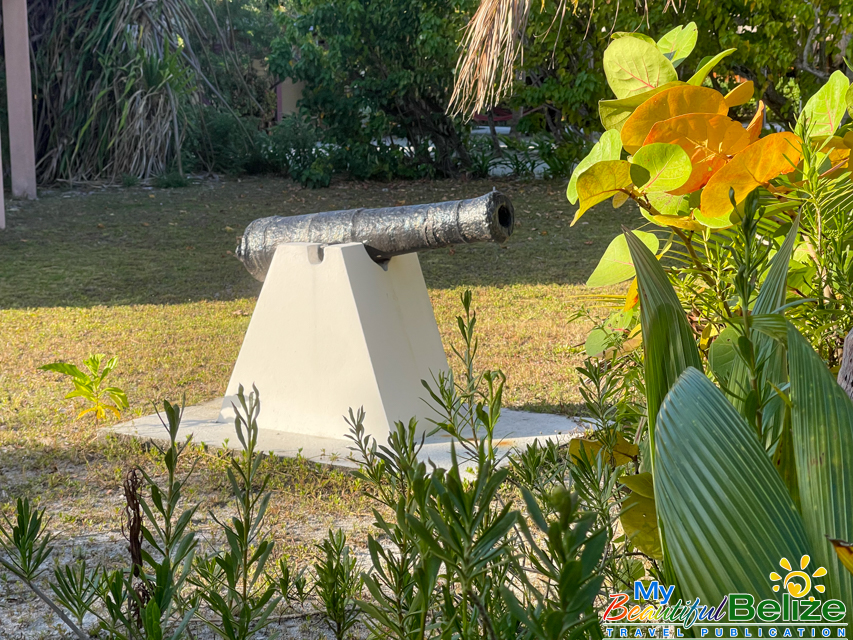
This September 10th, as we commemorate the Battle of St. George’s Caye, we can also remember the history that came before it. From Cayo Casina to St. George’s Key, the island’s changing name tells a story of settlement, identity and the complex beginnings of the nation we proudly call Belize.